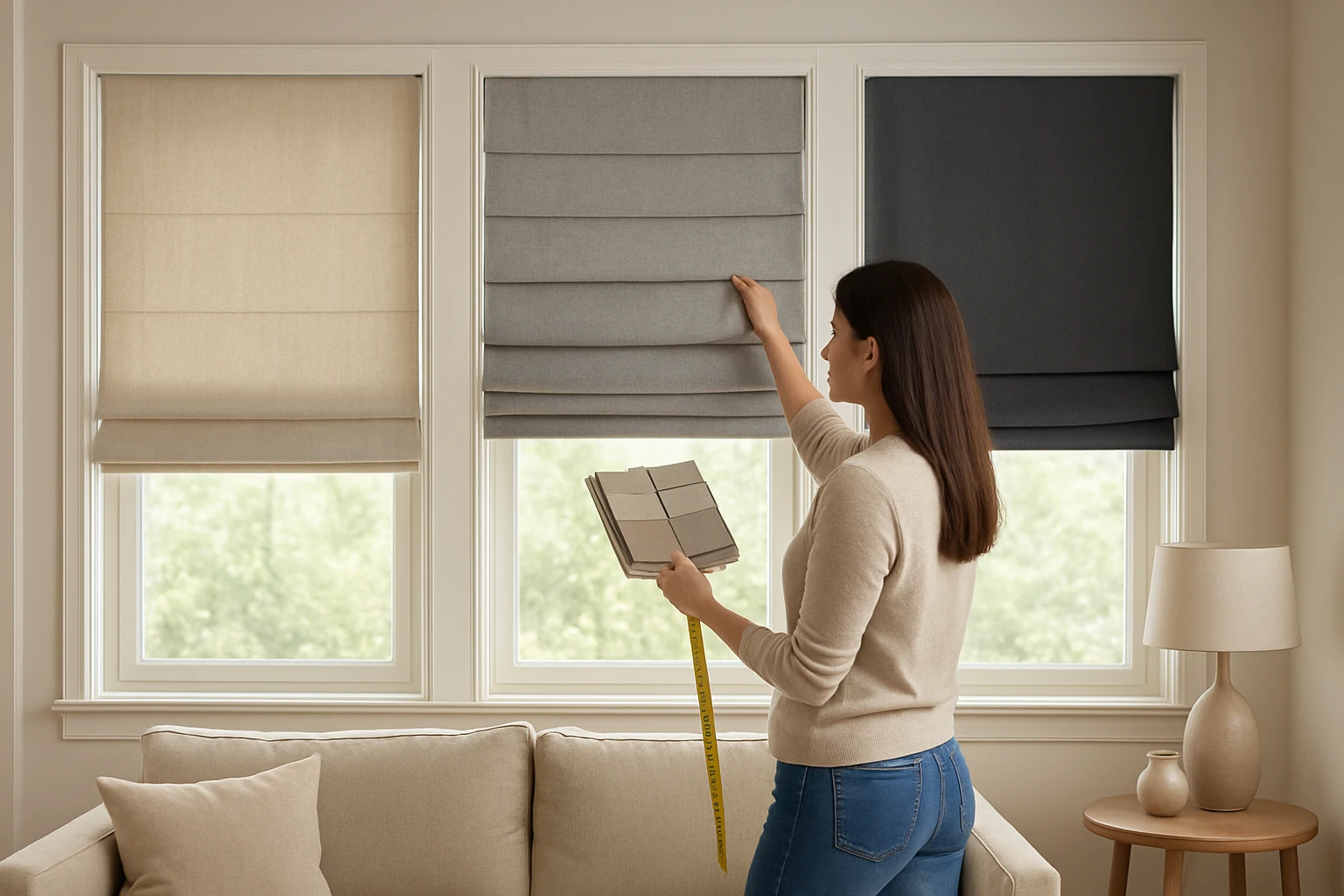
Bamboo shades are still a popular choice for many homes. They combine natural texture with a clean modern look that suits both casual and formal rooms. They work well when you want a warm, layered window treatment, and they pair nicely with fabric curtains or roman shades to help control light and privacy.
The team at Roman Blinds explains when bamboo shades make a good design choice, how they compare to other window coverings, and simple steps to choose, measure, install, and care for them.
Why Bamboo Shades Remain Popular
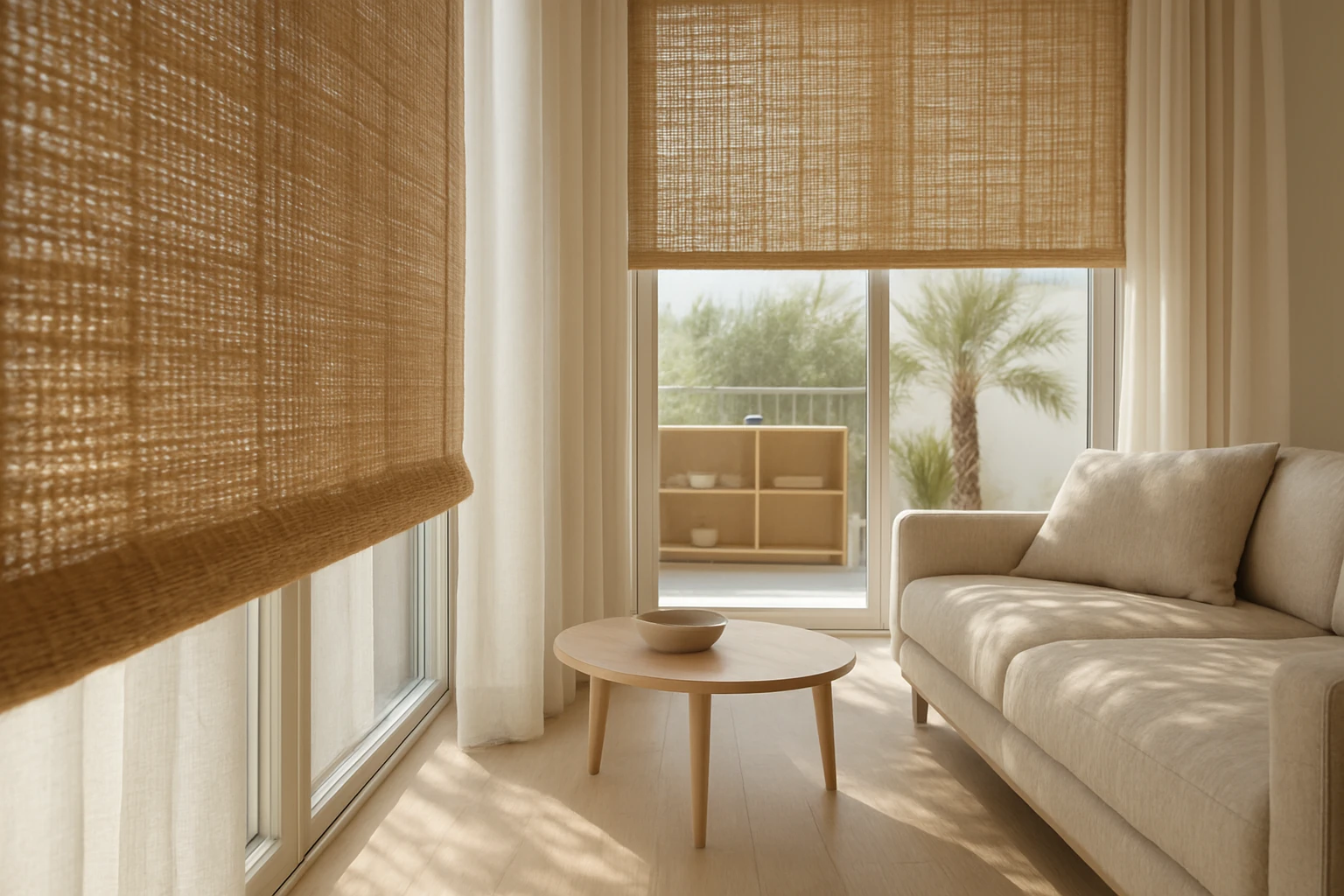
They add texture and warmth without taking over a room. Designers pick them for a relaxed but refined feel. Bamboo shades suit coastal, Scandinavian, and modern rustic interiors.
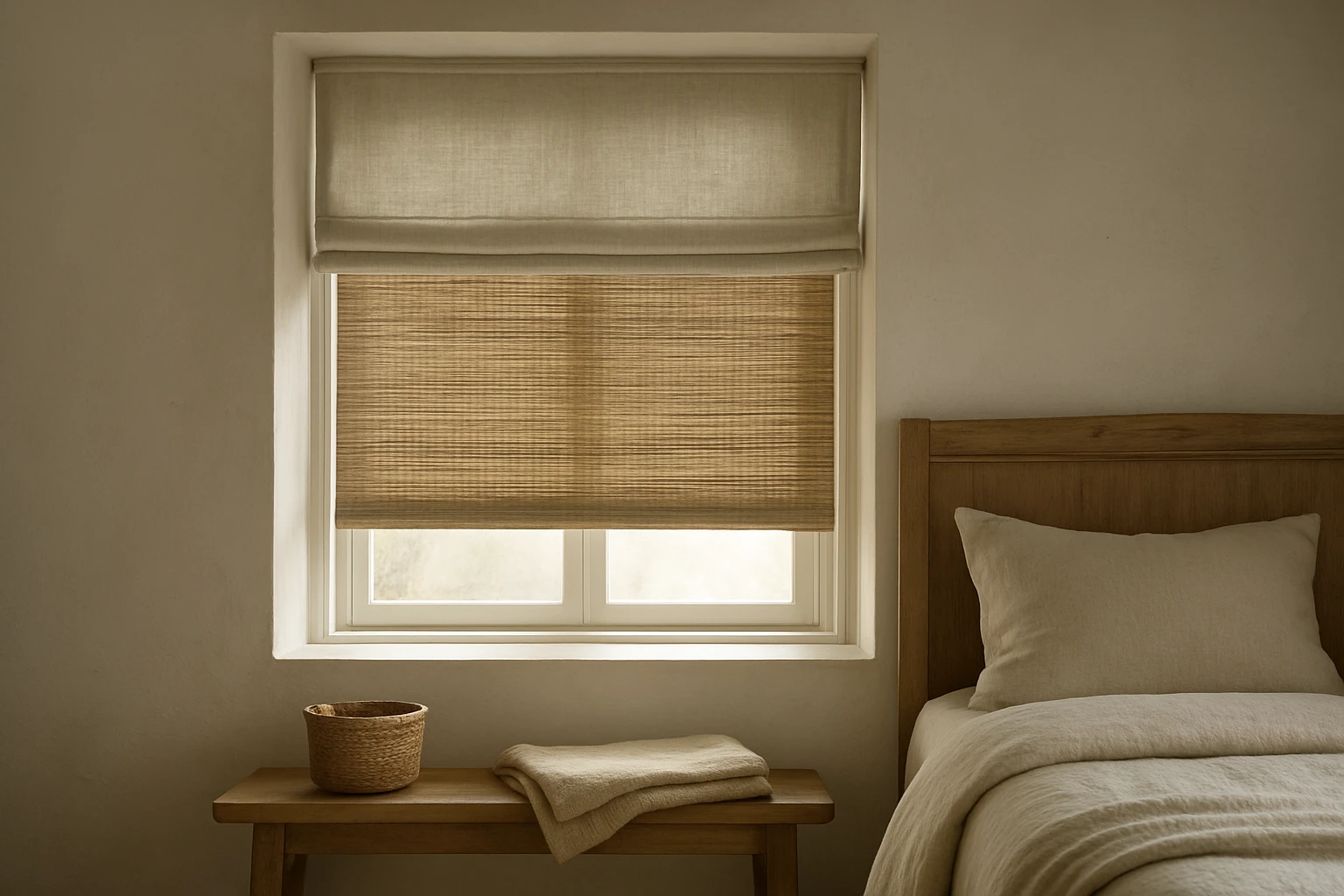
Why homeowners pick bamboo shades now
- Natural texture adds visual interest and hides dust better than plain roller shades.
- They layer nicely with fabric treatments for improved light control and insulation.
- They come in many weaves and finishes so you can choose a casual or a more polished look.
In our experience selling window coverings in mixed residential markets, about 38 percent of customers pick a natural or light-stained bamboo finish for living spaces because it softens bright sun without blocking the view.
Style Trends by Room
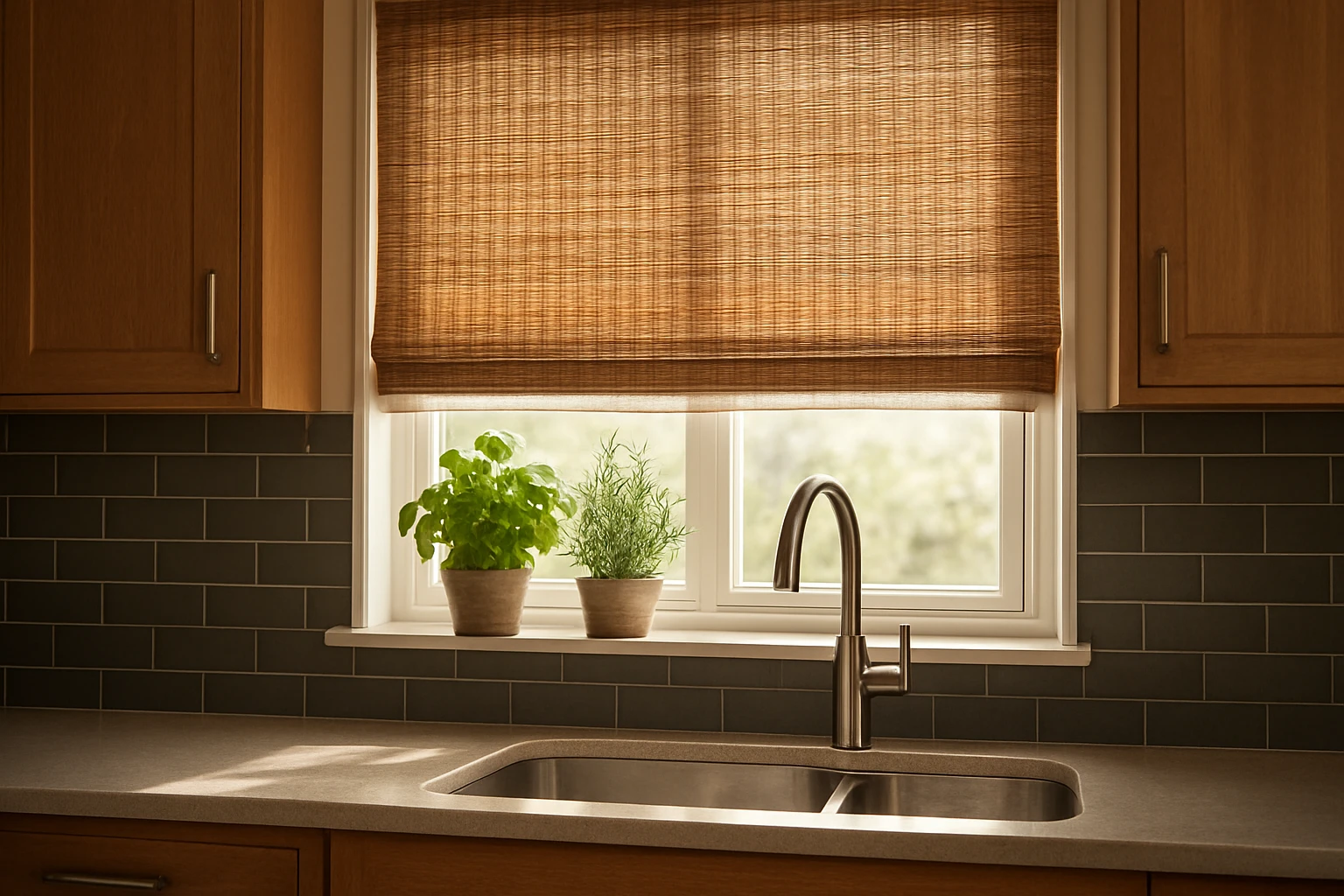
Bamboo shades suit different rooms depending on weave, color, and whether they are lined.
Living Room
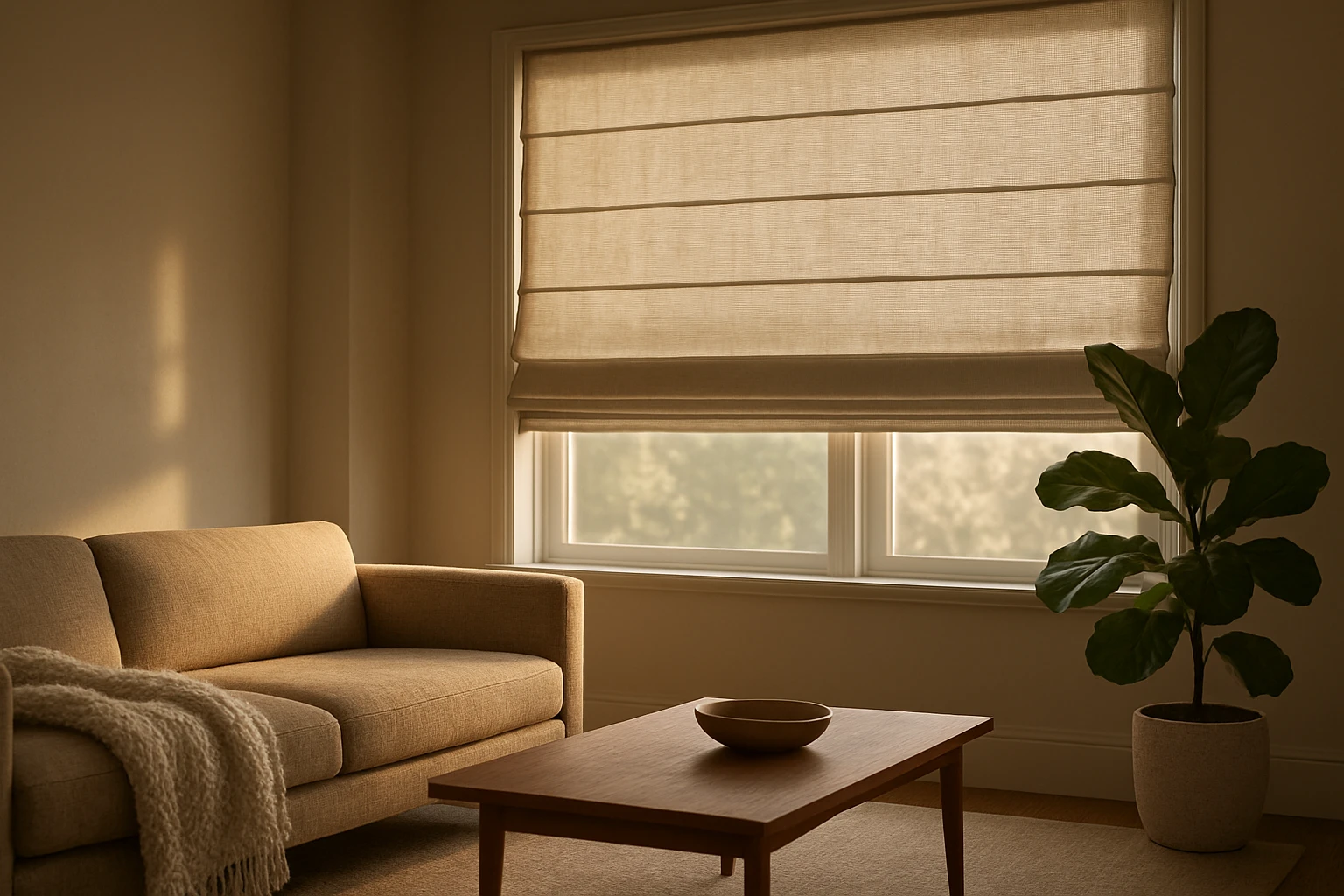
Light or medium weaves in a natural finish work well in living rooms when paired with fabric side curtains. This combo cuts glare and keeps the layered look designers like.
Bedroom
Choose a tightly woven or fabric-lined bamboo shade for bedrooms if privacy and darkening matter. A lined shade blocks more light and protects the weave from sun damage.
Bathroom and Kitchen
Vinyl-backed or treated bamboo shades made for humidity are best in kitchens and bathrooms. Untreated natural bamboo can warp with constant moisture, so check the product specs.
Outdoor and Covered Patios
Outdoor-rated bamboo-style blinds work well in covered patios, though full exposure to the weather shortens their life. For a weather-resistant option see Outdoor Blinds.
Materials, Weave and Finish
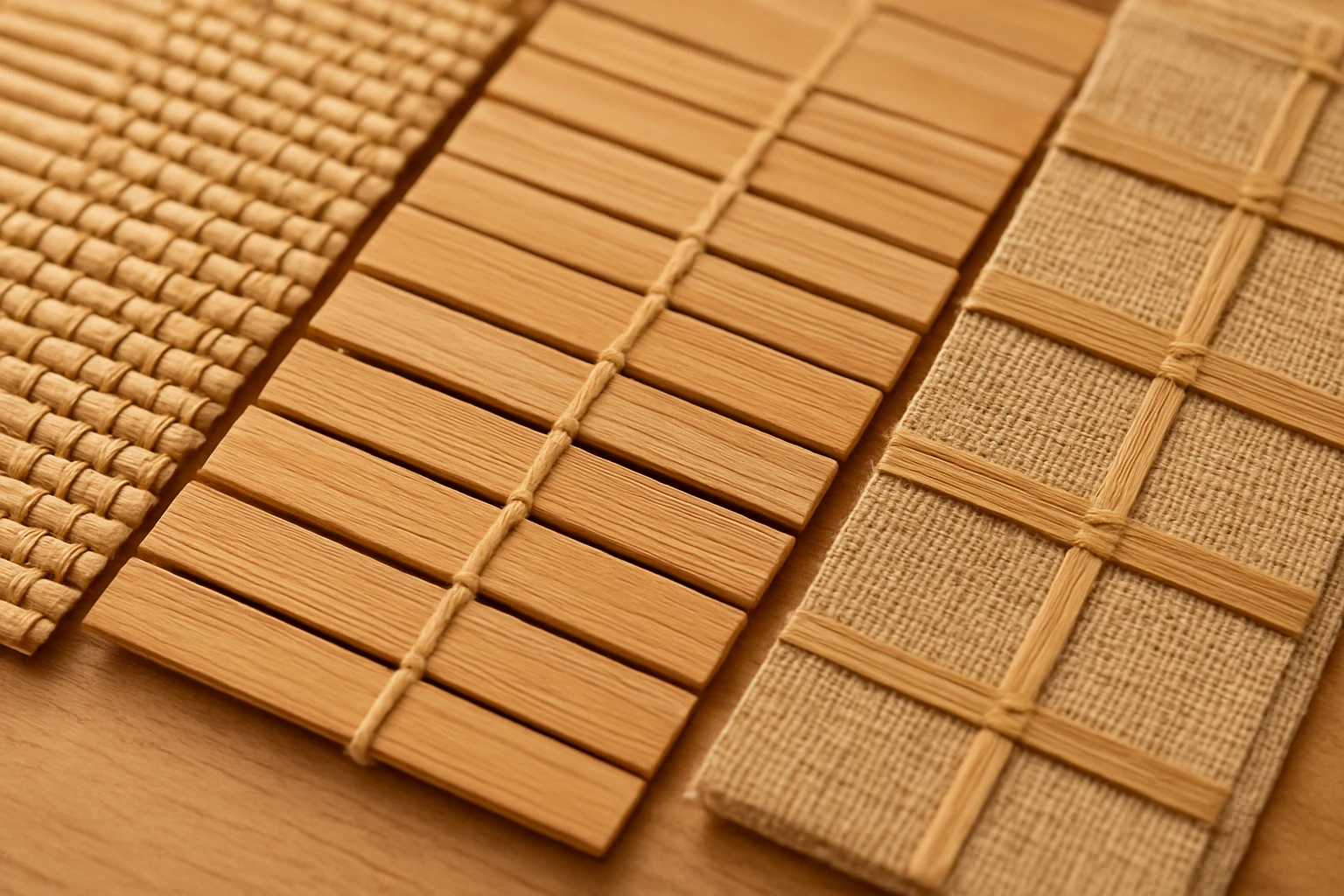
Choosing the right material and weave sets the tone for durability and style. Natural bamboo, reed, jute, and faux bamboo each react differently to light and wear.
Common Material Types
Natural Bamboo:
Warm with a clear grain. Best for dry indoor rooms. It comes in slat and reed weaves and shows natural color variation.
Reeds and Grasses:
Thinner and more flexible. Often woven open so soft light can pass through.
Faux Bamboo and Vinyl:
Weather resistant and easier to clean. They look more uniform and work well outdoors or in humid rooms.
Finish and Lining
A lined bamboo shade gives better insulation and privacy. Stain and paint options help you match trims and furniture. A darker stain generally looks more formal.
For product choices and a gallery of bamboo blinds styles see Bamboo Blinds.
How to Choose the Right Bamboo Shade
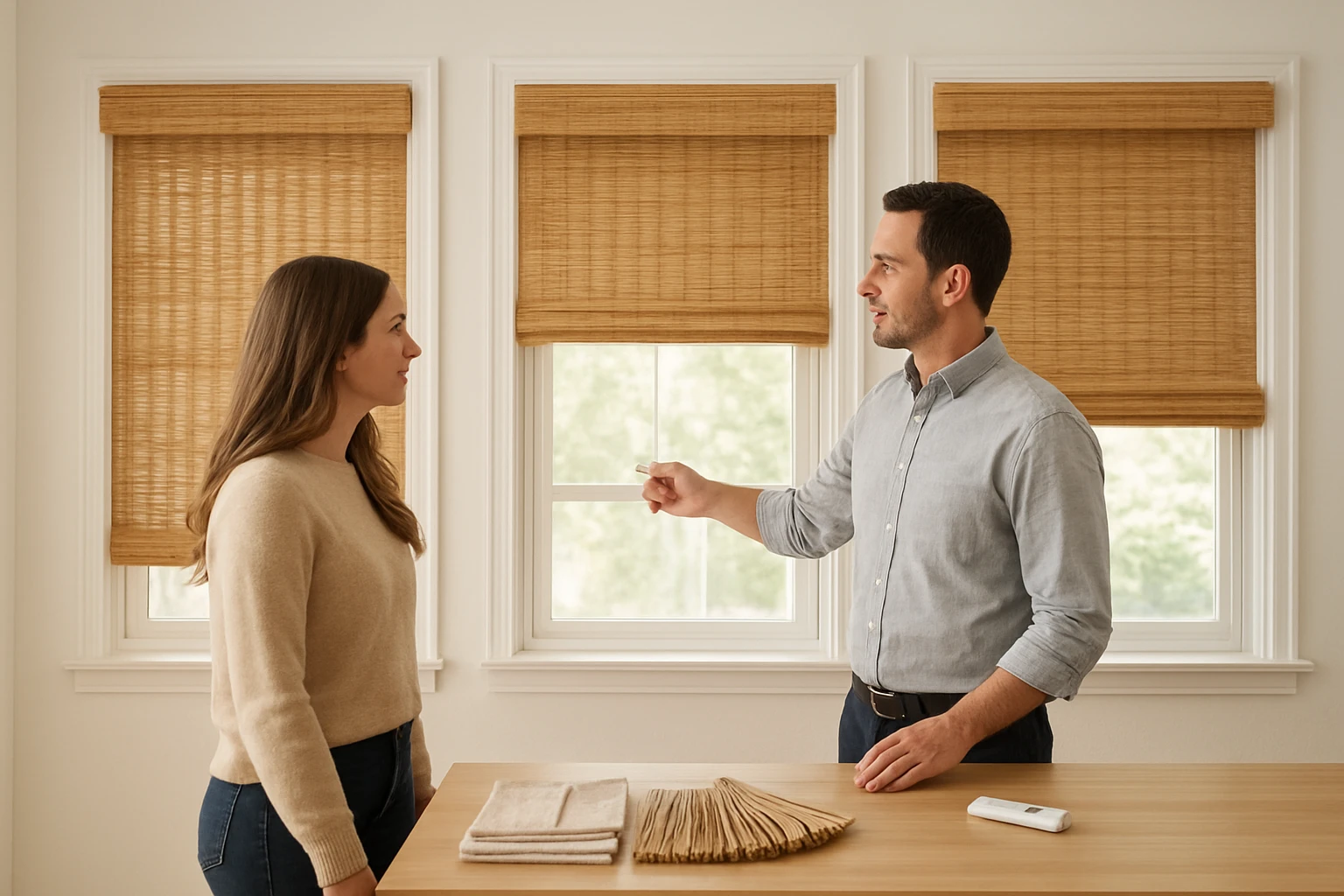
Narrow choices by room function, light control needs, and budget. Decide whether you want a simple pull-up shade, a cordless lift for child safety, or a motorized system for added convenience.
Measurements and Mount Type
Inside Mount:
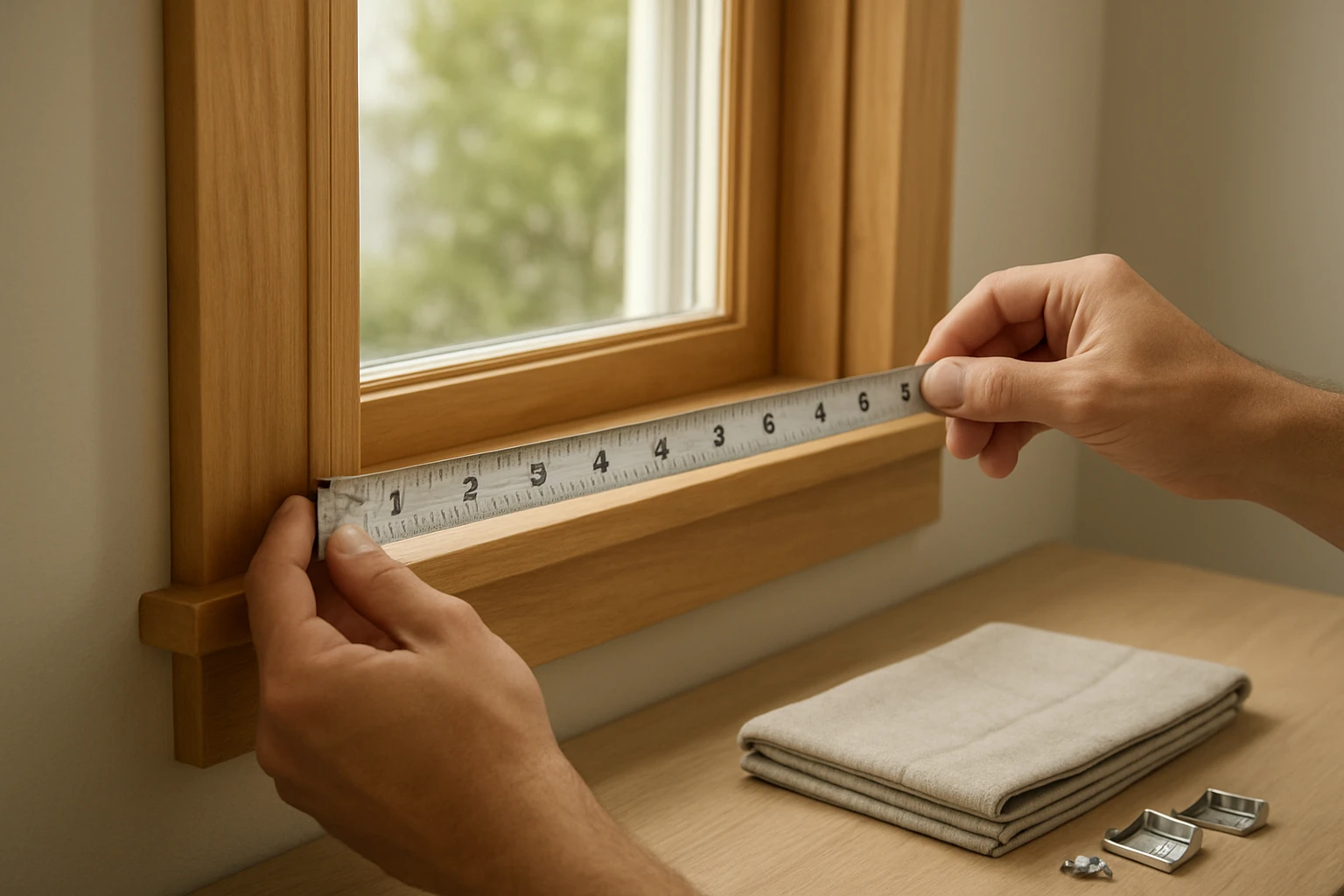
Gives a clean, built-in look when the window recess is deep enough. Expect to lose about 1 to 2 centimetres of width because of the frame.
Outside Mount:
Covers more of the wall and can make windows look larger. It also helps block more light at the edges.
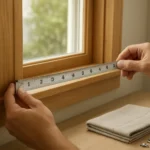
For accurate steps on measuring windows use How to Measure Windows for Outside Mount Roman Shades Step by Step.
Lift Mechanisms and Safety
Cordless and motorized lifts are common now. Cordless lifts are safer around young children and pets. Motorized lifts add comfort for high or hard-to-reach windows.
Cost, Durability and Comparison Table
Bamboo shades cover a wide price range depending on size, weave, and lining. The table below shows typical ranges and performance traits to help you compare options fairly.
| Material Type | Typical Retail Range (AED) | Light Control | Best For | Maintenance Level |
|---|---|---|---|---|
| Natural Bamboo (unlined) | AED 200 to 300/m² | Filtered light | Casual living spaces, sunrooms | Low to medium, dusting |
| Bamboo With Lining | AED 250 to 350/m² | Moderate to high | Bedrooms, formal areas | Medium, occasional spot clean |
| Faux Bamboo / Vinyl | AED 200 to 250/m² | Variable | Bathrooms, covered patios | Low, easy wipe clean |
| Woven Grass / Reed | AED 220 to 280/m² | Soft filter | Dining rooms, eclectic interiors | Medium, careful vacuuming |
These ranges reflect common retail prices for standard-size windows and change with custom sizing, motorization, or premium finishes.
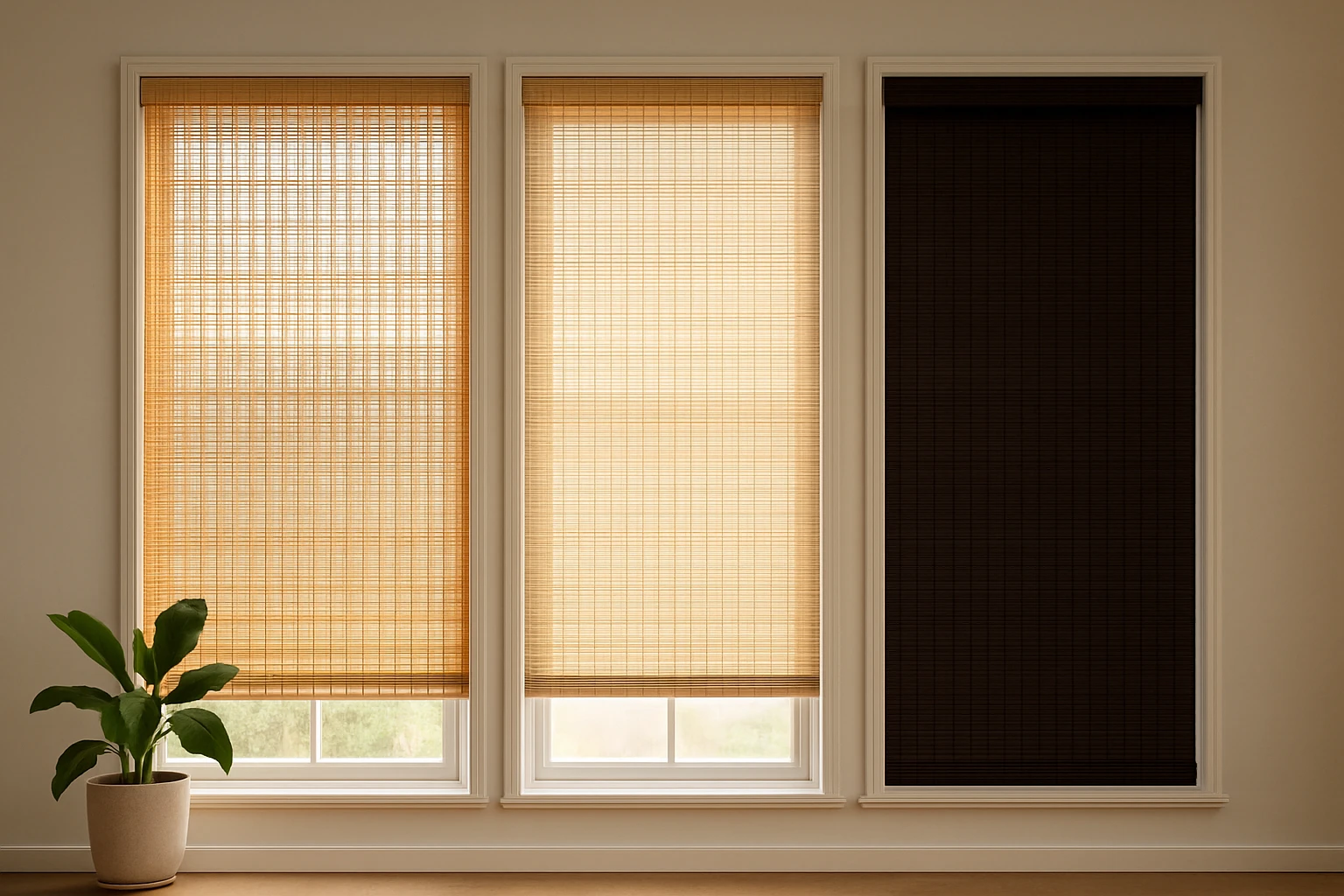
People often pick a light weave for a bedroom because it looks airy, only to end up unhappy with morning glare. In our experience a lined bamboo shade cuts complaints about morning light by about two thirds in the bedrooms we fitted.
Installation Tips and Practical Care
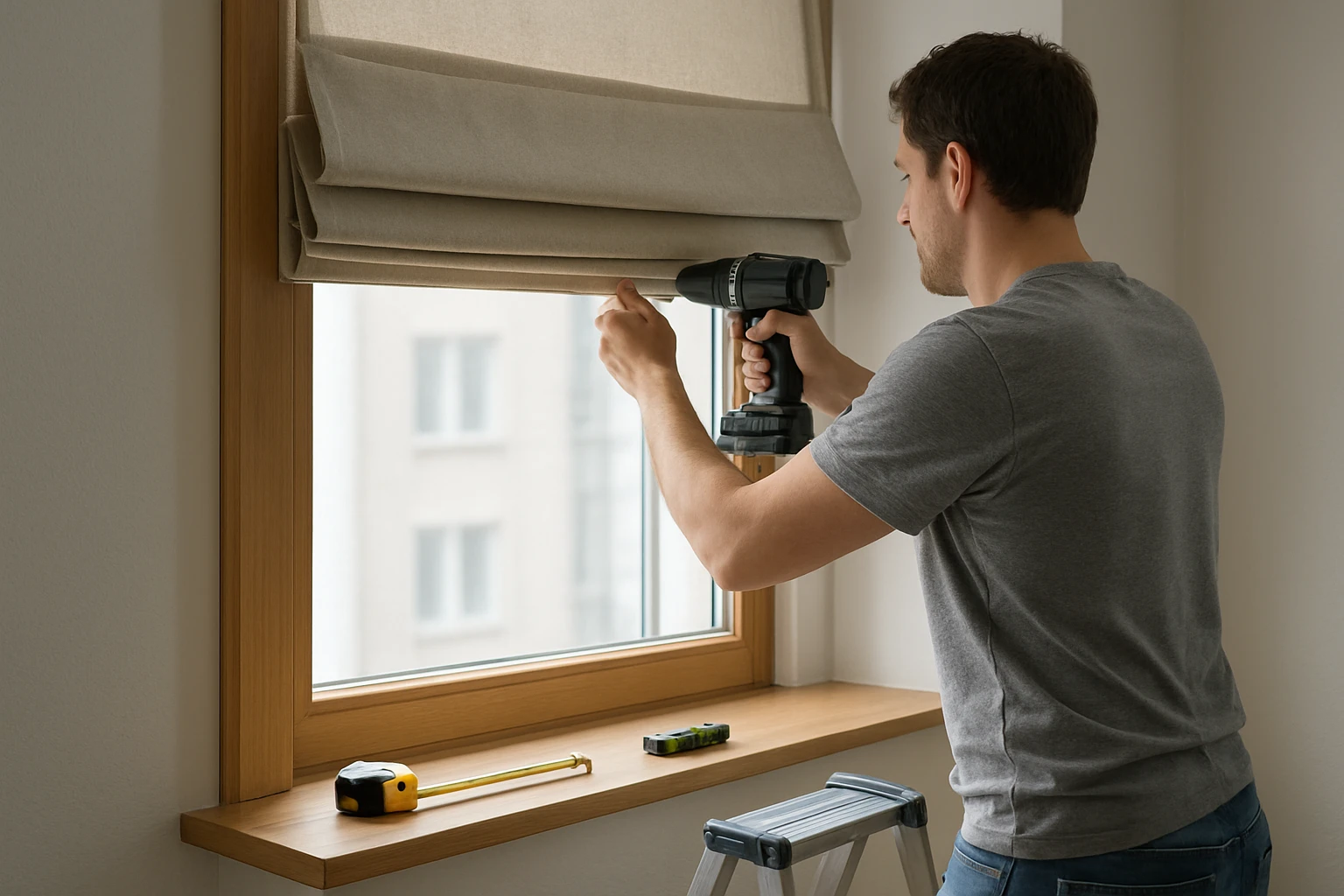
A good installation keeps a shade smooth and extends its life. If you are not confident with tools, a professional fit can avoid problems like uneven lift lines and warped slats.
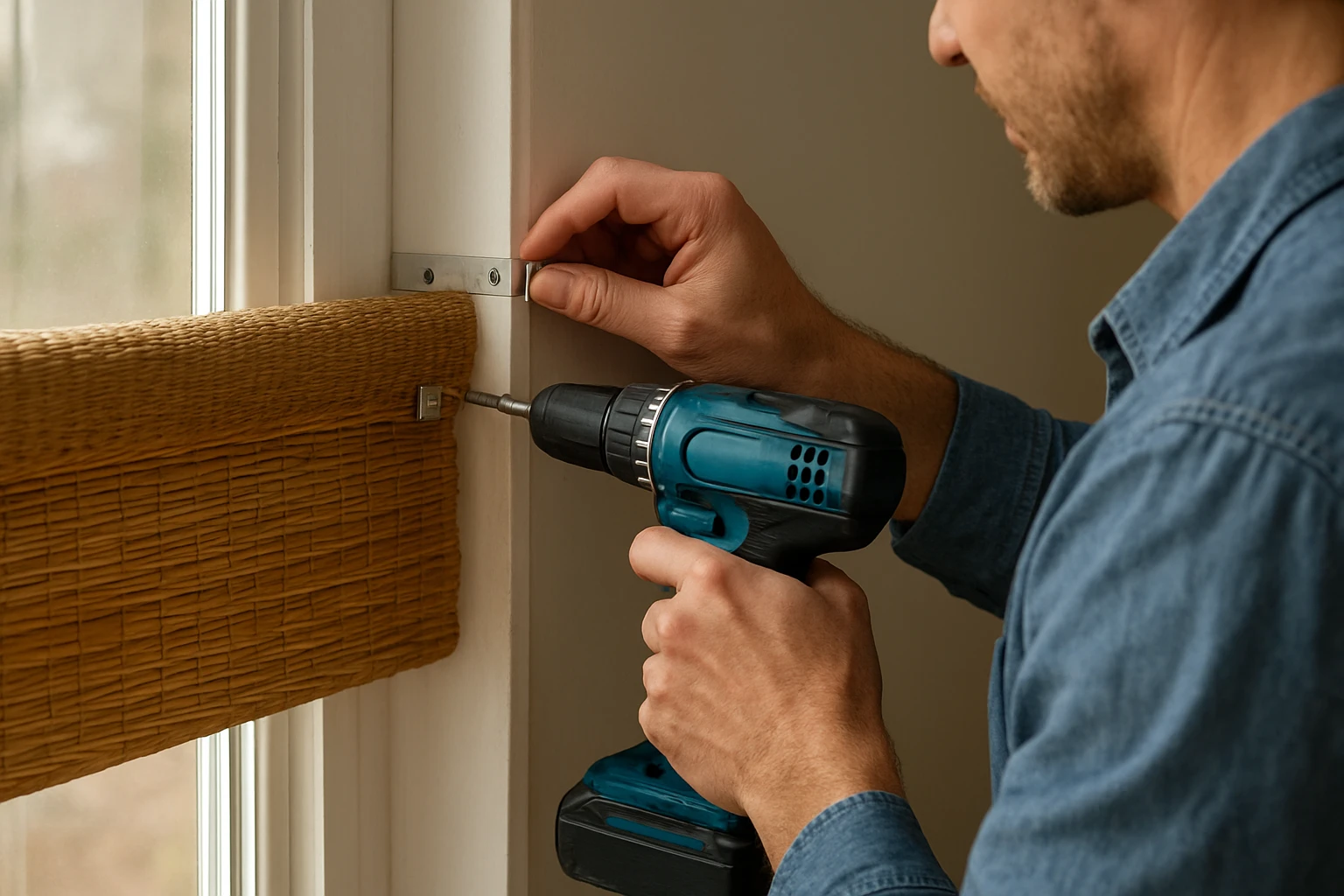
Quick Care Checklist:
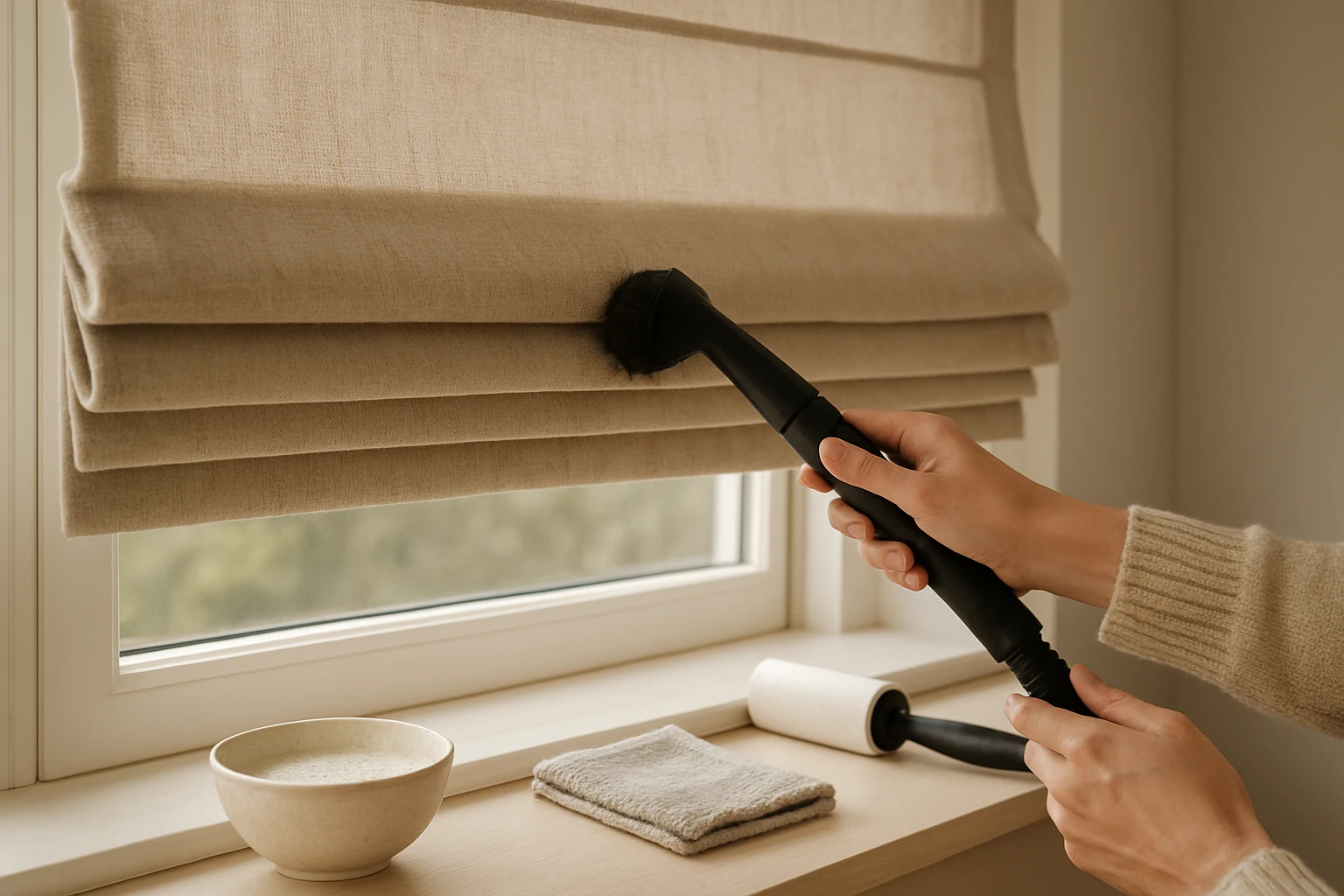
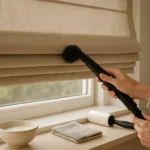
- Dust weekly with a soft brush or a vacuum brush attachment.
- Spot clean with a damp cloth for light stains and test a small area first.
- Avoid soaking or steam cleaning natural bamboo.
- Rotate slats occasionally in strong sunlight to reduce uneven fading.
For fabric-backed or roman-layered setups, see cleaning guidance in How to Clean Fabric Roman Shades Without Damaging Them.
When Bamboo Shades Might Not Be the Best Choice
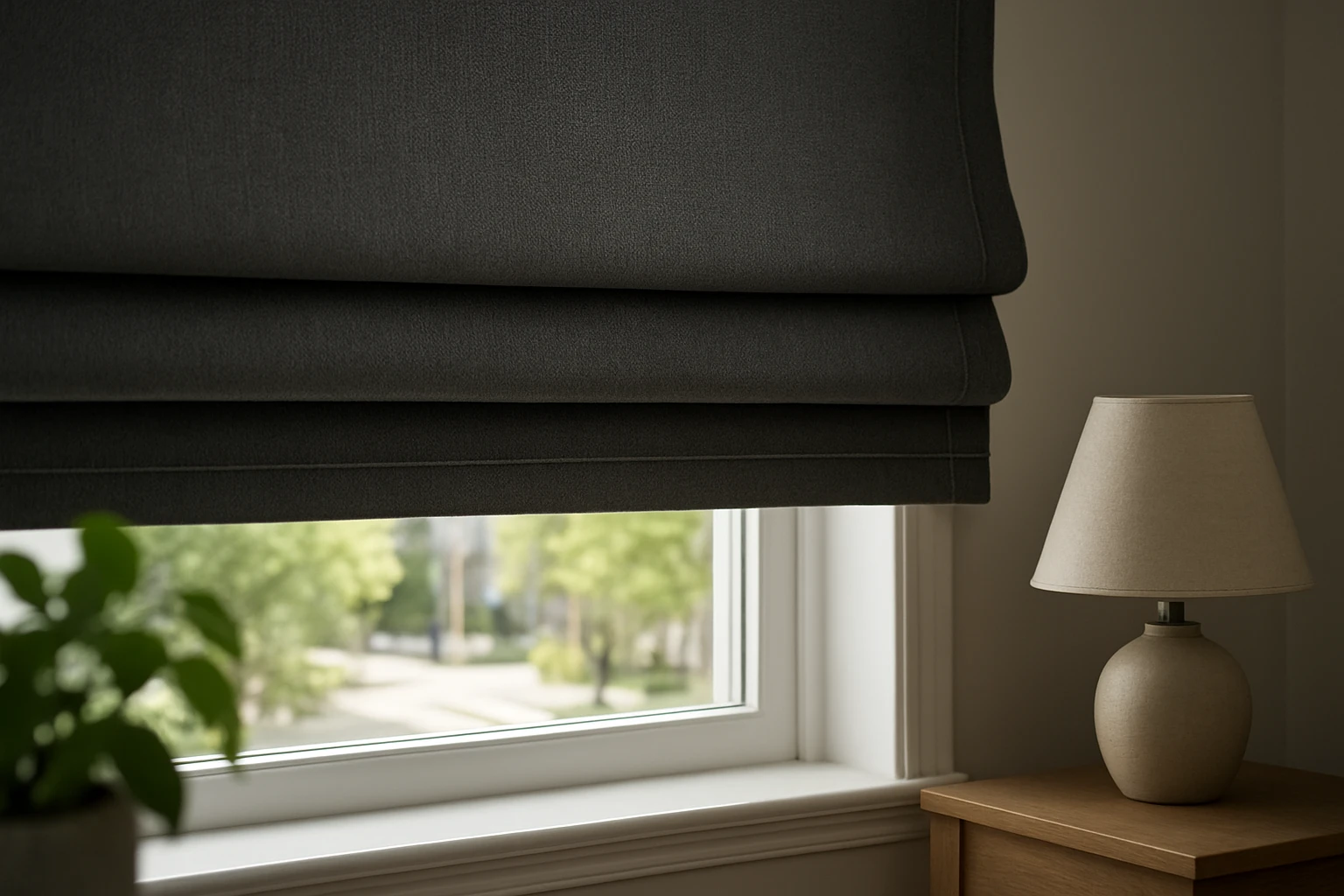
Bamboo shades are not ideal if you need full blackout performance on their own or if windows face heavy rain or constant sun with no cover. In those cases a coated outdoor blind or a heavy fabric blackout roman shade can work better.
If you want a more formal cloth look but like the texture idea, layer a thin roman shade over a bamboo blind. For living room styling ideas that mix window treatments see Roman Shades for Living Room: Styles, Fabrics and Practical Tips.
Final Design Takeaways
Bamboo shades are in style because they bring natural texture and a calm visual balance to many interiors. Match the weave, lining, and lift option to how you use each room. Plan a layered treatment if you need more light control or insulation. Careful measuring and a professional fit keep the shades looking crisp and working smoothly for years.
References and Where to Look Next
- Product pages and sample galleries for bamboo blinds: Bamboo Blinds
- Outdoor and covered patio options: Outdoor Blinds
- Quick measuring help: How to Measure Windows for Outside Mount Roman Shades Step by Step
Frequently Asked Questions
Are Bamboo Shades Still Fashionable for Modern Homes?
Yes. Bamboo shades fit modern homes when chosen with the right weave and finish. Designers use them for texture and warmth, and they work well layered with fabric treatments for better light control and a polished look.
Do Bamboo Shades Darken a Room Enough for a Bedroom?
Not on their own unless they are tightly woven and fabric-lined. For bedrooms choose a lined bamboo shade or add a blackout roman behind the bamboo to reach near-dark conditions.
Can Bamboo Shades Be Used Outdoors?
Only if they are labeled for outdoor use. Natural bamboo exposed to rain and direct sun will degrade. For covered patios look for treated or synthetic options listed under outdoor blinds.
How Do I Clean and Maintain Bamboo Shades?
Dust them regularly with a soft brush or vacuum brush tool. For small stains use a damp cloth and test first. Avoid soaking or steam cleaning natural bamboo. For fabric layers follow fabric cleaning instructions.
What Is the Price Range for Custom Bamboo Shades?
Custom bamboo shades commonly range from about 80 to 300 USD for typical window sizes depending on lining, lift style, and finish. Motorization or premium weaves increase the price.