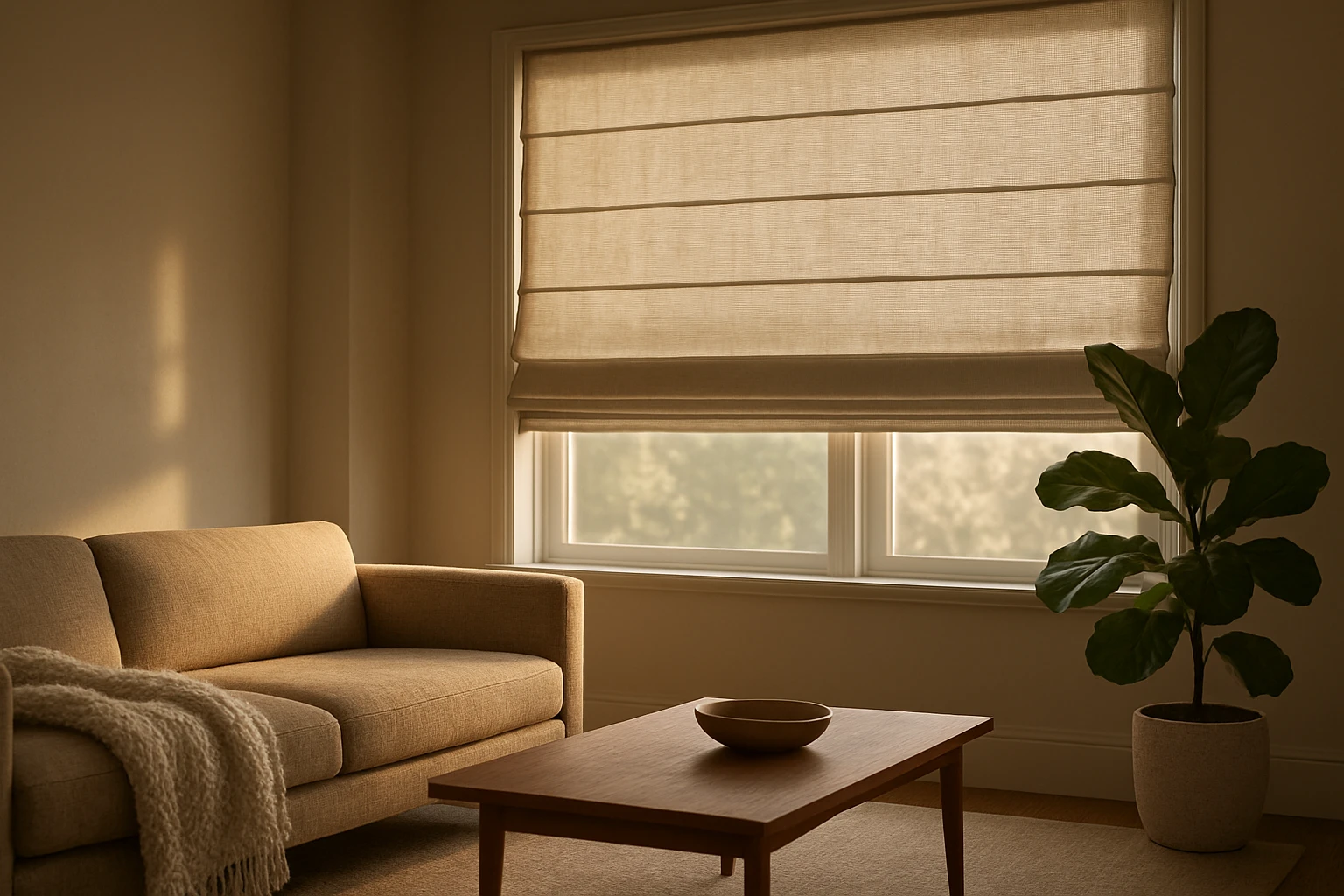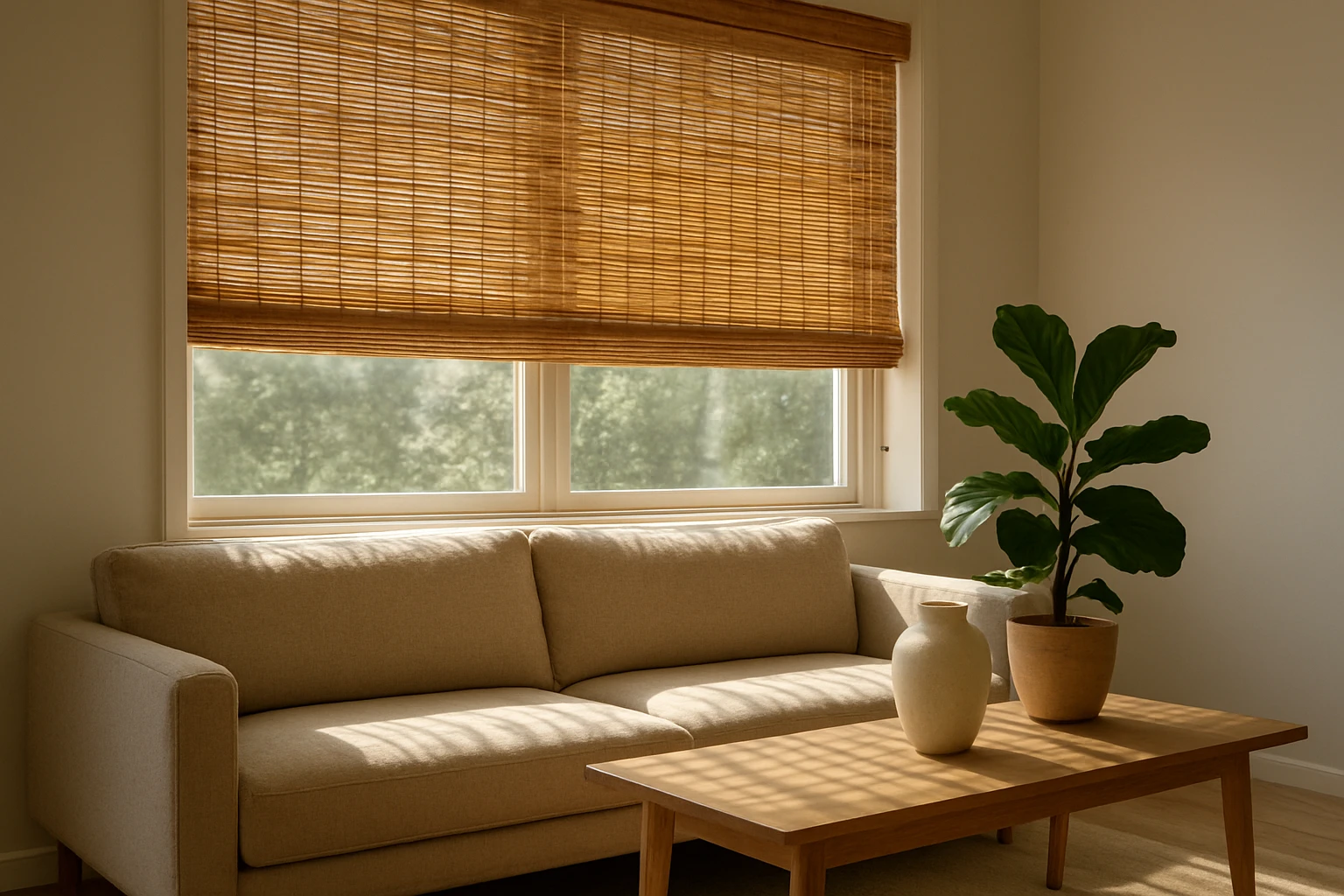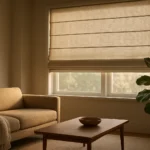
Roman shades typically cost between AED 95 and AED 200 per square meter, depending on whether they are ready-made, custom, or motorized. Most custom fabric shades fall between $250 and $600. Measure carefully, pick fabric and lining for the light control you want, and add installation and any automation to your budget.
Key Statistics
- Ready made fabric shades commonly run 95 to 150 per sqm for standard sizes.
- Custom sewn shades typically average 150 to 300+ per sqm depending on fabric and detailing.
- Motorized Roman shades often add 100 to 250 to the base cost, with full systems ranging 1100 or plus per window.

Many readers ask one clear question: how much will Roman shades cost for my windows. The short answer above shows the typical ranges and the main cost drivers. Roman Blinds sells both ready-made and custom shades and can estimate a job once you have measurements.
Typical Price Ranges for Roman Shades
Prices vary because fabric, size and how the shade is made all matter. Below are the common ranges you will see when shopping.
- Ready made fabric shades: AED 80 to 150 per square meter. These are mass produced in standard sizes and are the cheapest option.
- Custom sewn fabric shades: AED 150 to 300+ per square meter. Price depends on fabric cost, headrail style, and custom details like piping or trim.
- Motorized shades: add AED 1100 to 1500 or more per window on top of the shade price for the motor and controls.
- Professional installation: AED 50 to 100 per window depending on complexity and region.
These ranges are broad because markets and high end fabrics push prices up quickly. In our work fitting over 300 residential windows, a common finished cost for a midrange custom linen shade with lining and local installation was about AED 500 per window.
What Affects the Cost of Roman Shades
Several simple factors change the final price. If you know these, you can control your budget without losing the look you want.
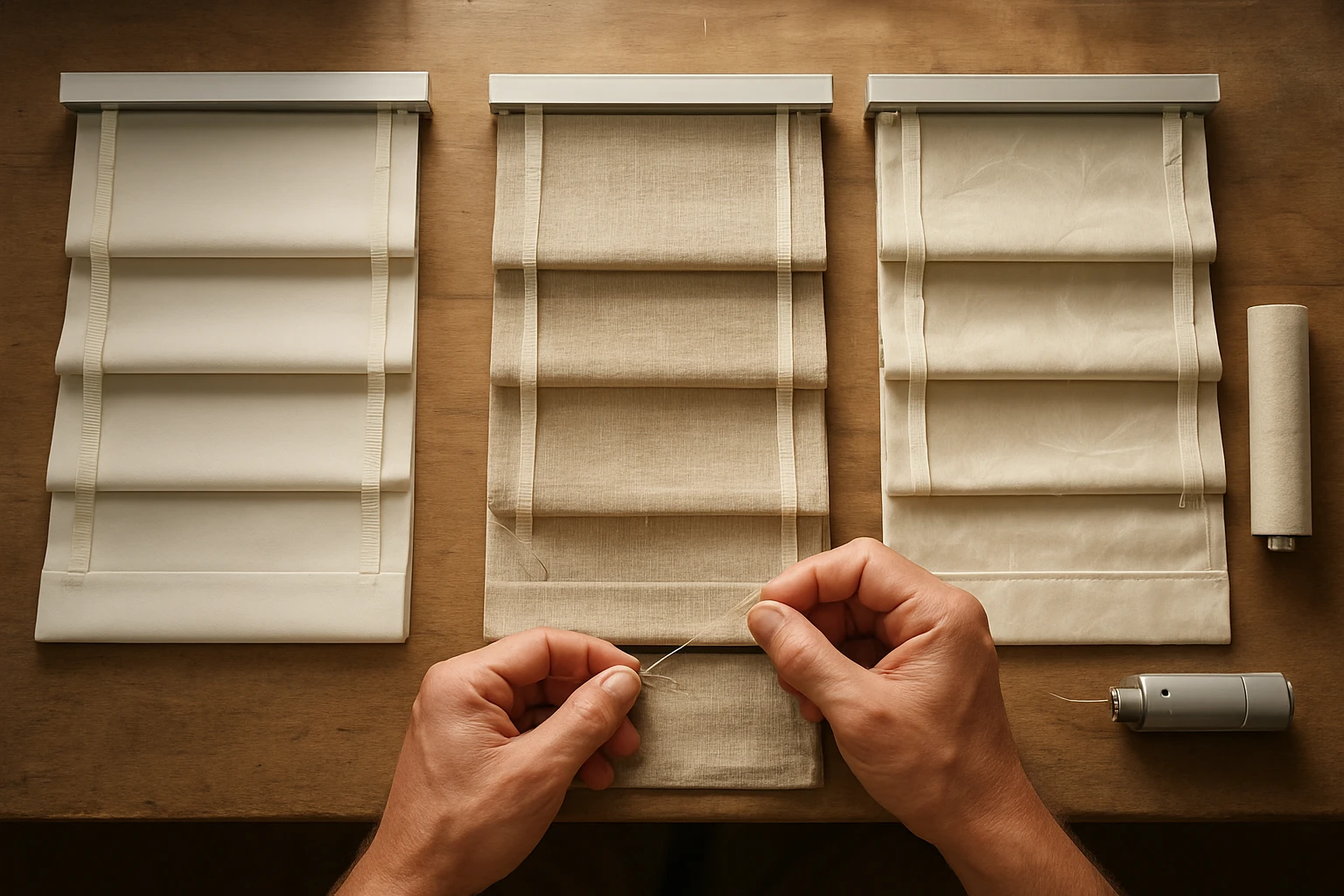
Fabric Quality
- Low cost fabrics are polyester blends and are easy to clean, so ready made options often use them.
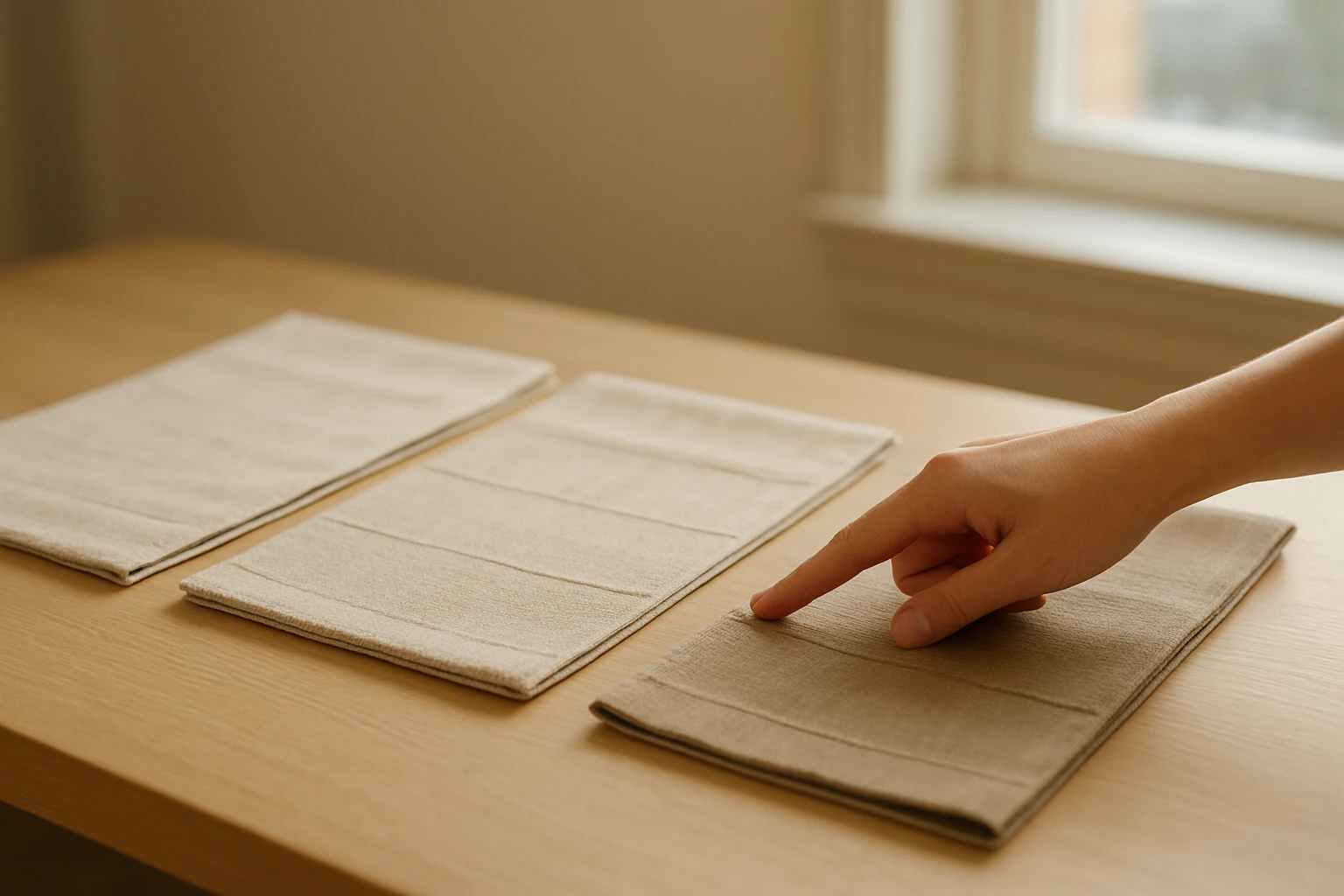
- Midrange fabrics include cotton and linen blends, which drape better and cost more.
- High end fabrics include silk or custom printed textiles and push the price the highest.
Many people assume lining is just an extra seam. Lining changes light control and opacity and adds sewing time, and it can increase material and labor cost by 15 to 40 percent.
Shade Construction
- Flat Roman: simpler, fewer seams, lower labor cost.
- Soft Fold: more fabric and more sewing time, higher cost.
- Hobbled Fold: uses more fabric to create soft curves and adds to labor and material cost.
Hardware and Headrail
Some headrails are basic metal boxes while others are decorative and built into a valance. Upgrading to a heavy duty headrail or adding child safety devices increases the price.
Size and Shape
Extra wide or very tall windows use more fabric and need stronger headrails, which raises the price roughly in line with area.
Automation and Controls
Motorization and smart controls add the motor cost, wiring or battery systems, and sometimes an electrician charge. A quiet tubular motor costs more than a basic battery motor.
Custom Versus Ready Made Roman Shades Comparison
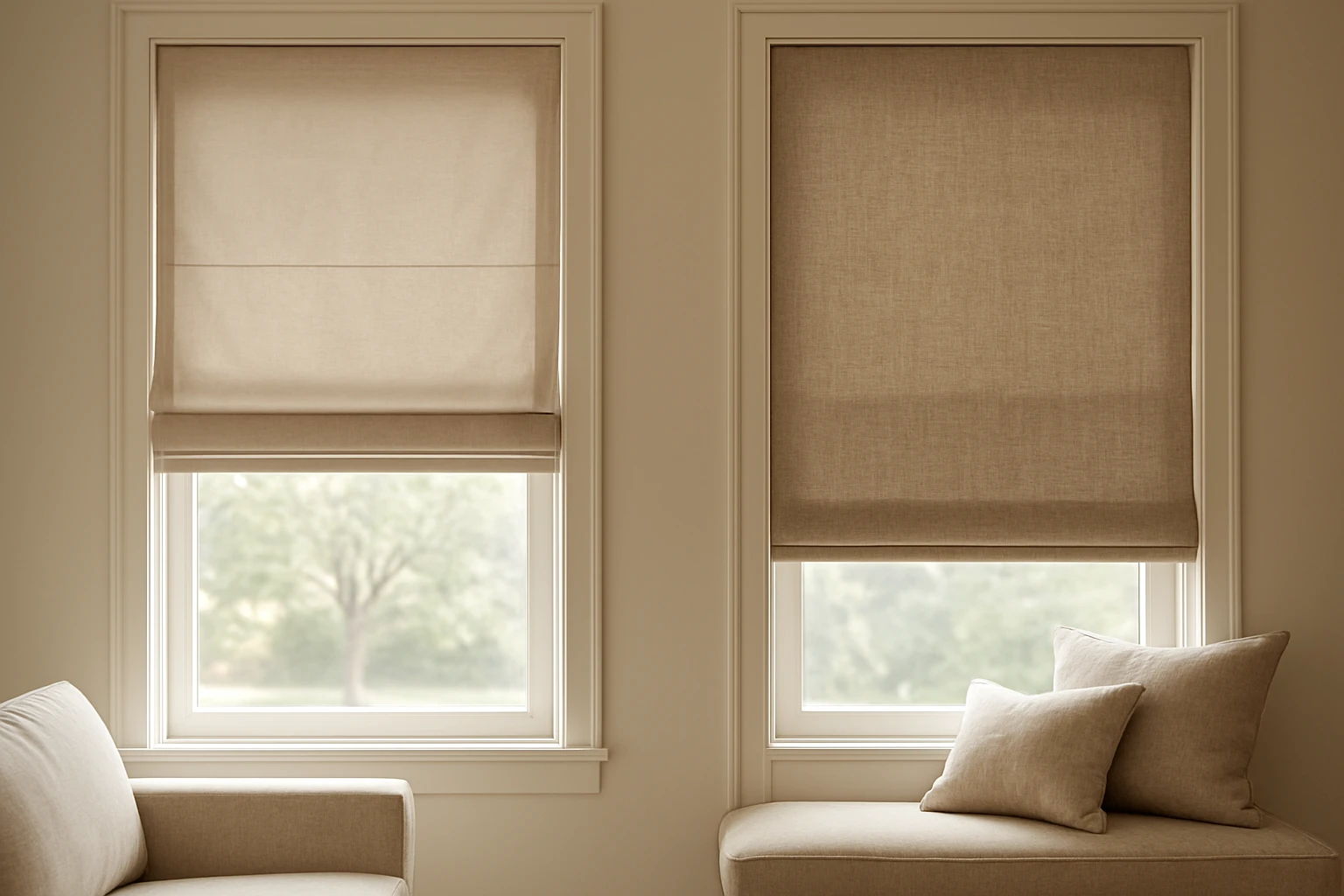
Choosing ready-made or custom depends on budget, window size, and how exact you want the fit.
| Feature | Ready Made | Custom Made |
|---|---|---|
| Price | Low (AED 50 to 300) | Mid to High (AED 300 to 1500+) |
| Fit | Standard sizes only | Exact fit to your window |
| Fabric Choice | Limited | Wide range, including specialty textiles |
| Lead Time | Immediate to 2 weeks | 2 to 6 weeks depending on work load |
| Best For | Rental homes or tight budgets | Long term ownership and designer finishes |
A practical rule is to choose ready-made for small rooms or when you need a quick, low-cost solution, and go custom for wide or odd-sized windows or main living spaces.
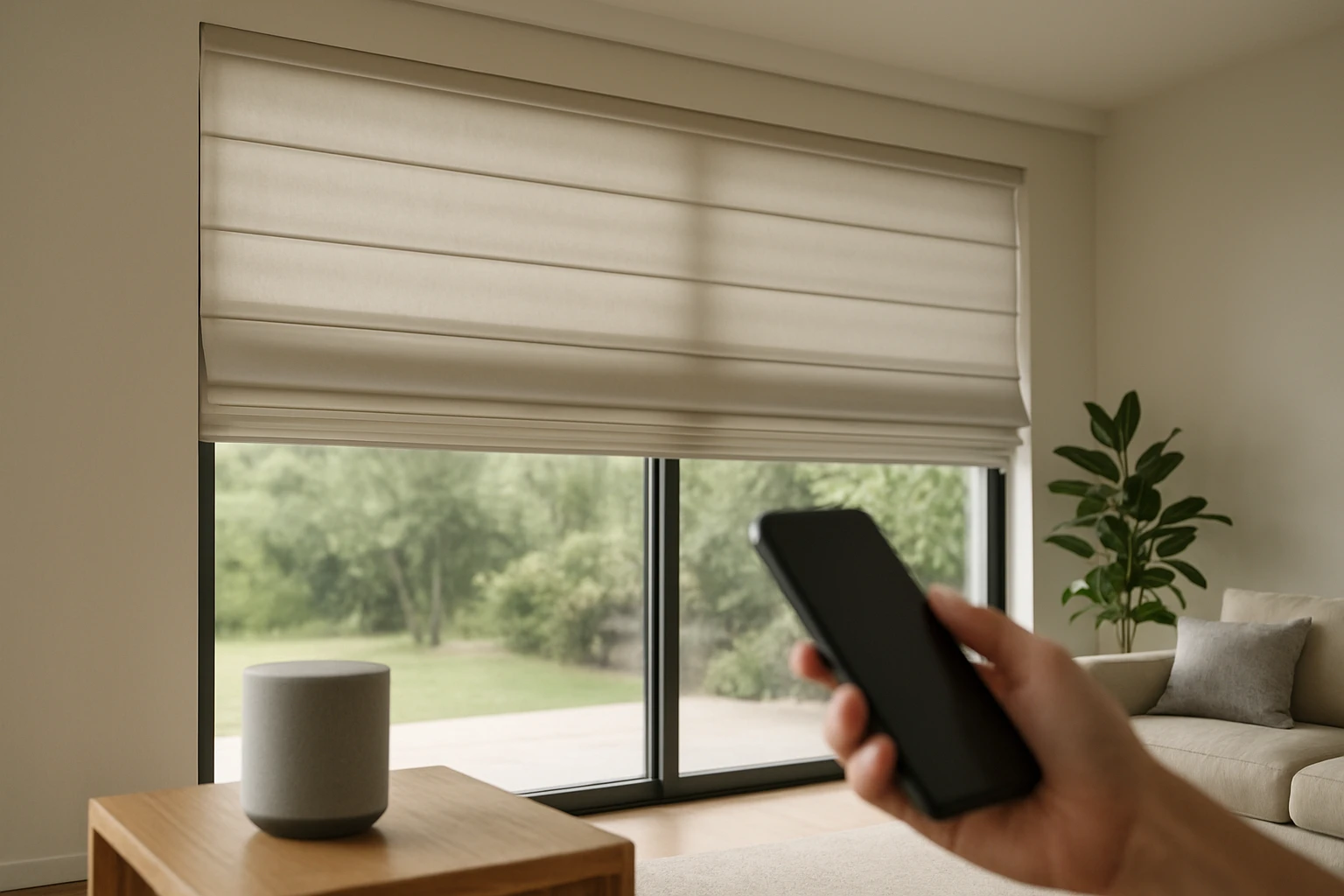
Motorized Roman Shades and Smart Home Options
Motorization affects installation and cost but adds convenience many people value.
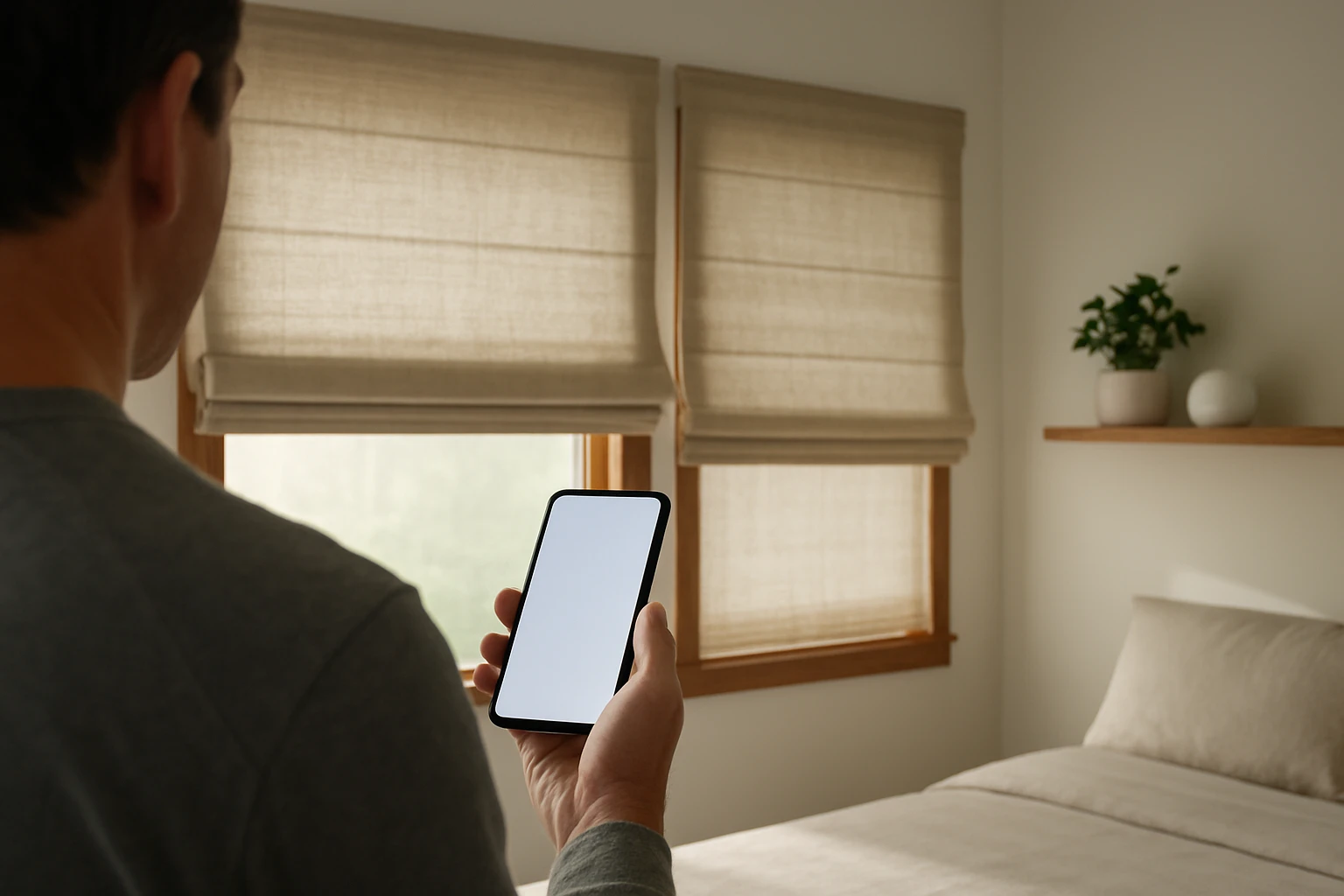
- Battery operated motors are easiest to retrofit and cost less to install.
- Wired motors need an electrician but avoid battery replacements.
- Integration with smart home systems can be simple or advanced and will add to hardware and programming costs.
In our experience programming five motorized shades for schedules and scenes takes about an hour for a single-room job, and installers usually charge a setup fee for smart integration.
Installation Costs and What to Expect
Professional installation gives a clean look and safe mounting, and costs vary with difficulty.
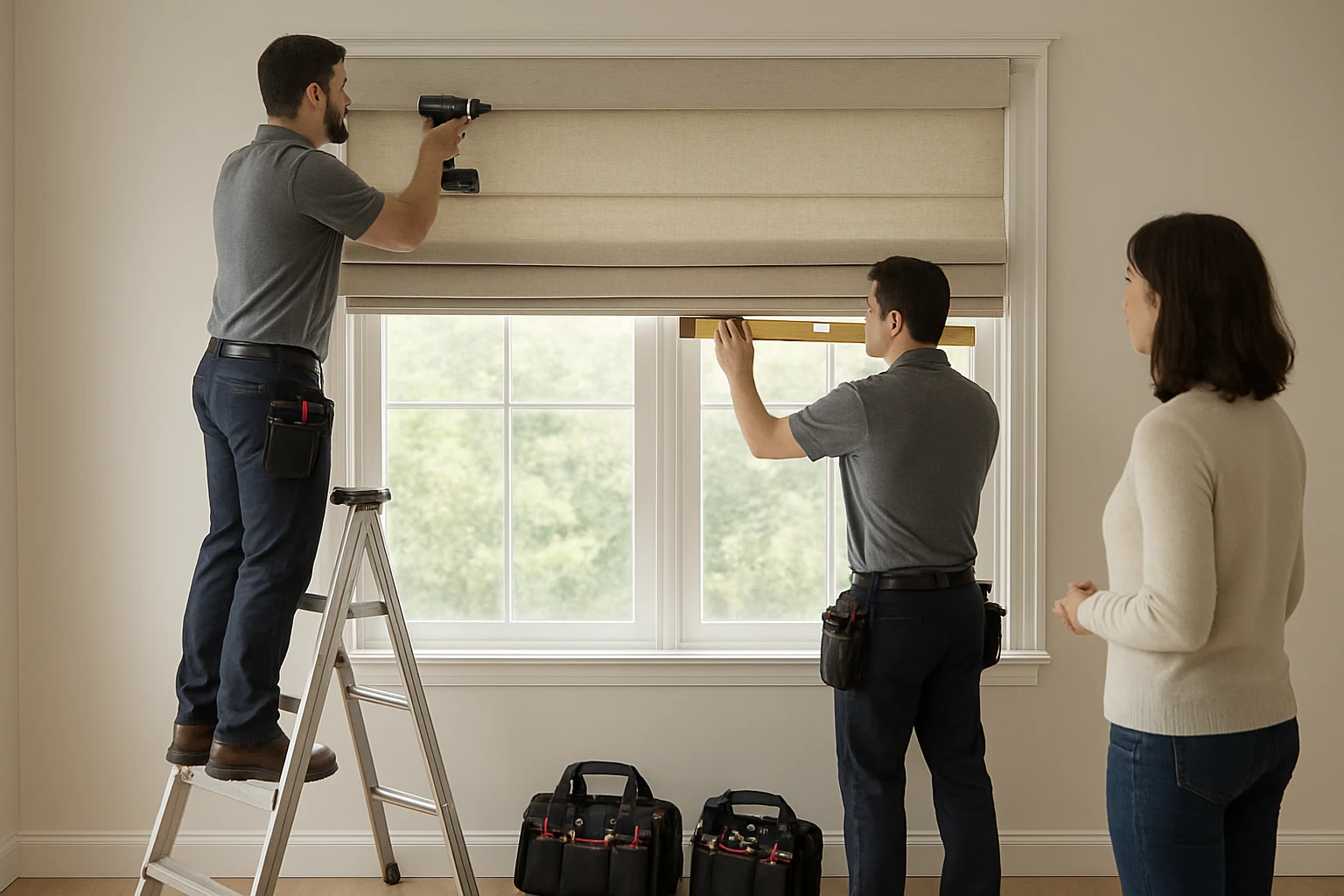
What Installation Includes:
Site Check:
A quick look to confirm the mounting surface and spot surprises like shallow windows or electrical obstructions.
Mounting and Leveling:
Fixing the headrail securely and making sure the shade hangs straight. Very wide windows take longer.
Wiring or Battery Setup:
If motorized, wiring can add an electrician charge. Battery motors just need mounting and battery fit.
Typical installation times range from 20 minutes for a single ready-made shade to 75 minutes for a custom motorized shade.
Sample Cost Table with Real Examples
Below are example scenarios using typical combinations you will see in quotes. These are based on trade experience, not national surveys, and they help plan a realistic budget.
| Example Window | Shade Type | Shade Cost | Motor/Upgrade | Installation | Total Estimate |
|---|---|---|---|---|---|
| Small Bedroom Window 36×48 in | Ready-Made Polyester / Basic Roller | AED 100 – 180 | N/A | AED 100 | AED 200 – 280 |
| Living Room Wide Window 96×60 in | Custom Linen / Premium Roman Shade | AED 900 – 1500 | AED 500 – 800 (battery motor) | AED 150 – 200 | AED 1050 – 1500 |
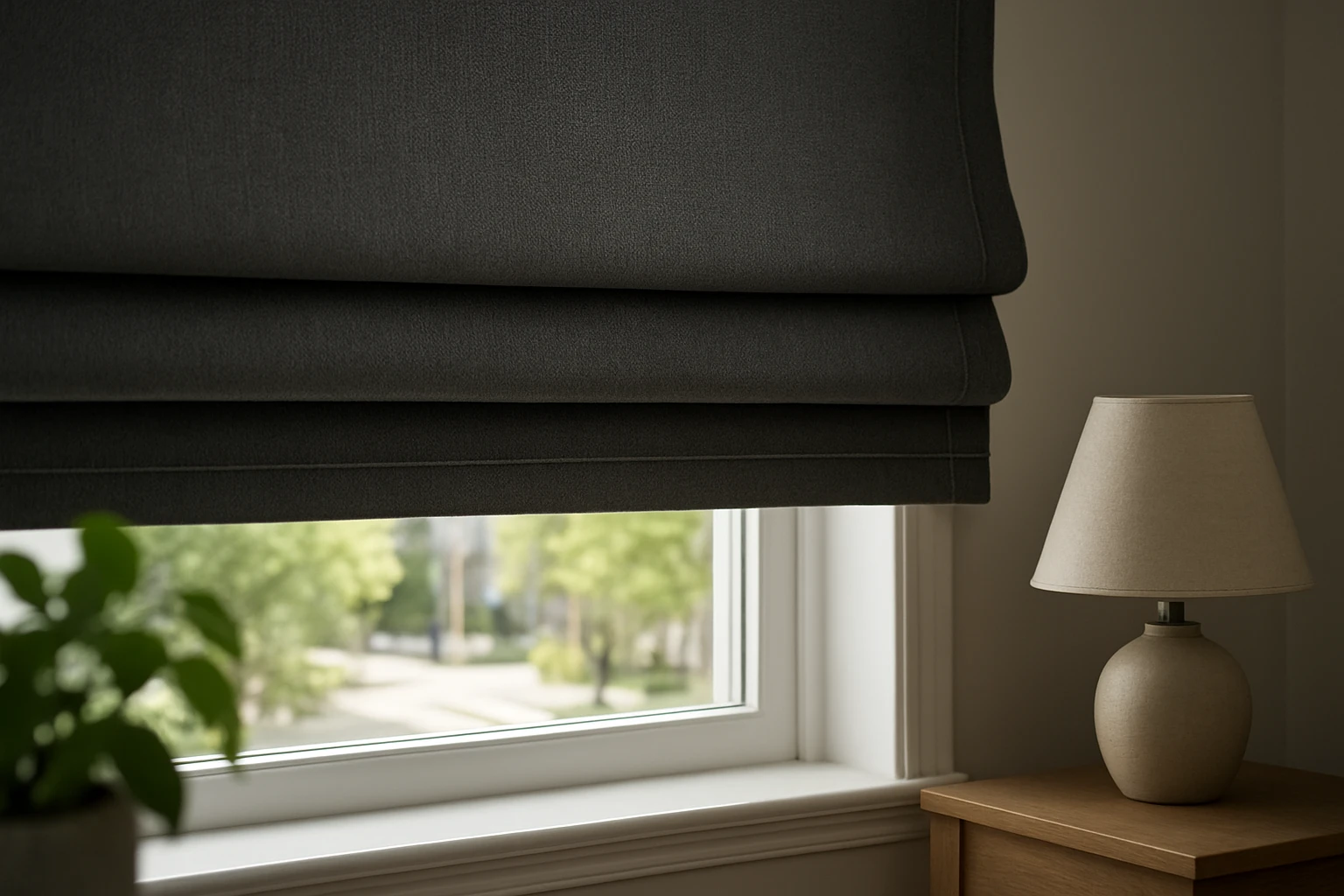
| Master Bedroom Tall Window 60×96 in | Custom Blackout with Motorization | AED 1100 – 2000 | AED 800 – 1500+ (hardwired motor) | AED 250 – 350 | AED 1350 – 2350 |
These examples reflect real orders we have estimated while working on homes. Expect local variation and always ask for a written quote that breaks these pieces down.
How to Save Money Without Sacrificing Quality
You can lower cost with a few practical choices that still preserve the look you want.
- Choose midweight fabrics instead of silk or specialty prints to get good drape at a lower price.
- Use a lined standard headrail rather than a decorative valance to save on labor.
- Buy ready made for secondary rooms and go custom only for primary spaces.
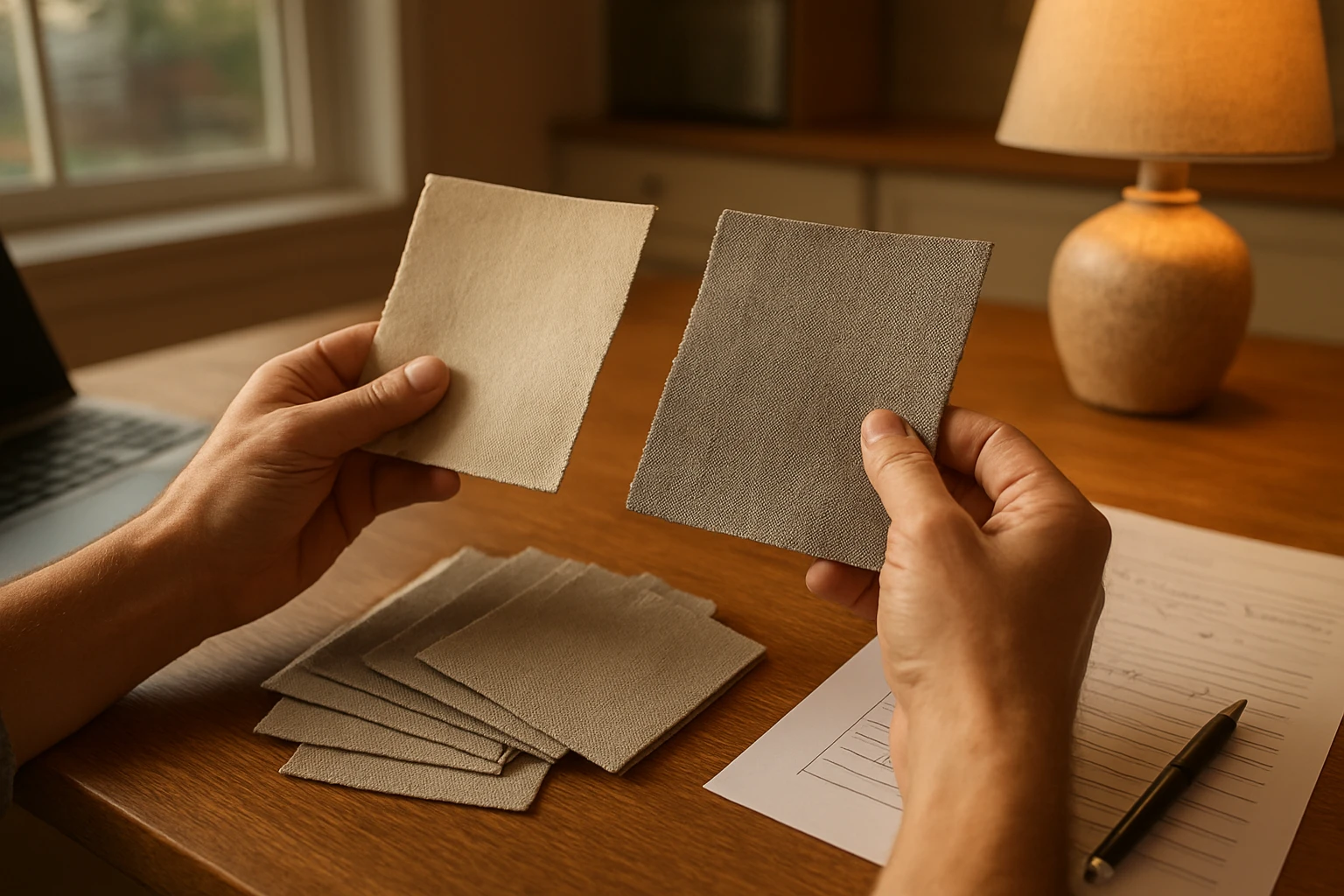
- Ask about sampler swatches and combine them with a single store order to reduce shipping fees.
A common saving is to keep the pattern plain but upgrade the lining for better insulation, which improves function without a large fabric premium.
Where to Buy and Questions to Ask Sellers
Local showrooms, specialty installers and online shops all sell Roman shades. Compare exactly the same specs when you ask for quotes.
- Ask for fabric weight and lining type by name.
- Confirm whether the headrail, mounting screws and any child safety devices are included.
- If motorized, ask if the motor has a quiet run rating and what the battery life is expected to be.
For professional help and regional availability check the company pages on this site such as Office Blinds for commercial options, Outdoor Blinds for exterior shades, and learn more about the team on About Us.
Final Notes and How to Get a Reliable Quote
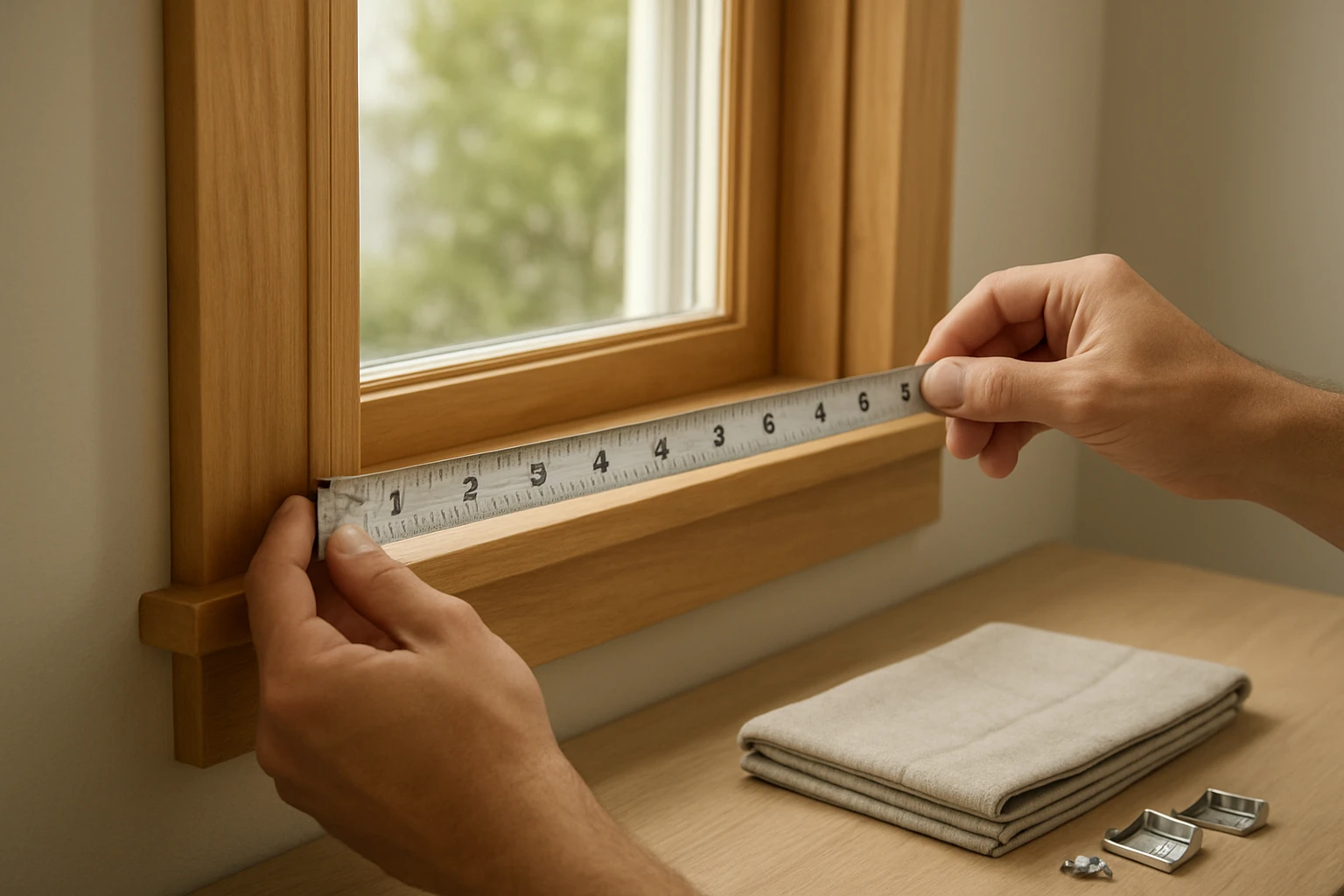
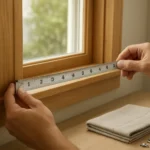
Gather accurate window measurements and a short list of priorities: light control, insulation, appearance and automation. Share those with two or three suppliers and ask for fully itemized quotes that show fabric, labor, hardware and installation separately. That makes it easy to compare and decide where to invest.
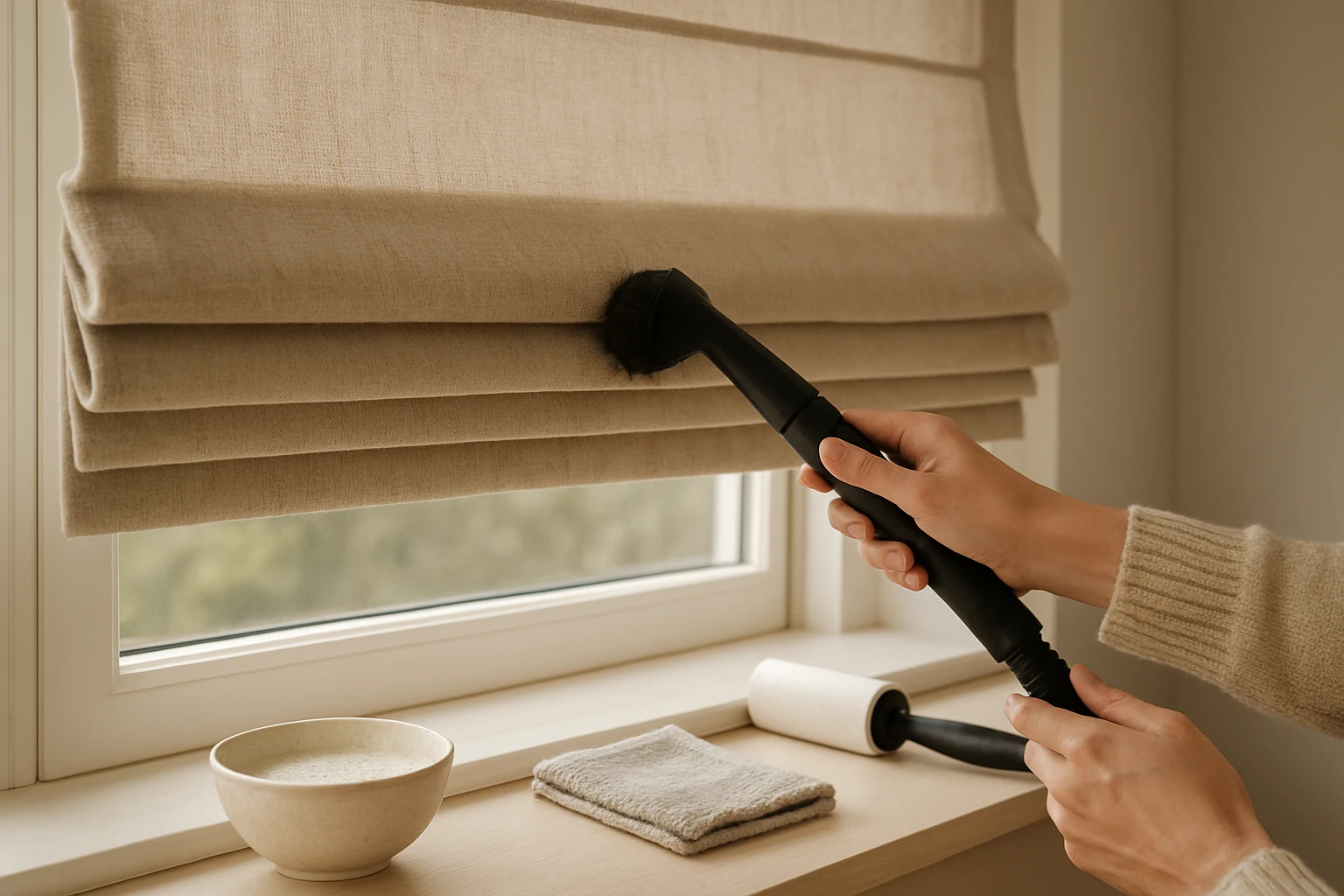
If you want step by step measuring instructions or tips on cleaning and care, see the related posts on the site such as How to Measure Windows for Outside Mount Roman Shades Step by Step and How to Clean Fabric Roman Shades Without Damaging Them. For style choices and fitting tips try Roman Shades for Living Room: Styles, Fabrics and Practical Tips and Choosing The Right Style Of Roman Blinds | 6 Important Tips.
If you need a step by step fitting guide or a safe hanging check, the site also offers clear instructions in Step-by-Step Guide To Roman Blinds Fittings Guide and How to Hang Roman Blinds Safely and Level Every Time.
A clear set of measurements plus a list of priorities will get you the most useful cost estimate, and a single itemized quote makes comparing vendors straightforward.
Frequently Asked Questions
What Is the Cheapest Type of Roman Shade and How Much Does It Cost?
The cheapest option is a ready made polyester blend flat Roman shade, which commonly costs AED 85 to 200 for standard sizes. These are mass produced, use lower cost fabric and have limited size options.
How Much Extra Does Motorization Add to the Price?
Motorization typically adds AED 1100 plus per window depending on whether the motor is battery operated or hardwired and whether you want smart home integration. Professional setup or electrician fees add to that for wired systems.
Are Custom Roman Shades Worth the Extra Cost?
Custom shades are worth it when your windows are nonstandard, you need specific light control, or you want higher quality fabrics and details. They usually cost more but deliver a cleaner fit and longer lifespan in primary living areas.
How Should I Budget for Installation?
Plan on AED100 to 350 per window for professional installation. Simple mounts on a single headrail are cheaper while very wide windows or motorized setups that need wiring will be at the higher end.
Can I Save Money by Buying Ready Made and Having Them Altered?
Sometimes minor tailoring works, but many ready made shades use fixed widths and hardware that cannot be easily modified. For unusual sizes, starting with a custom order or a measured ready made option is usually more cost effective.