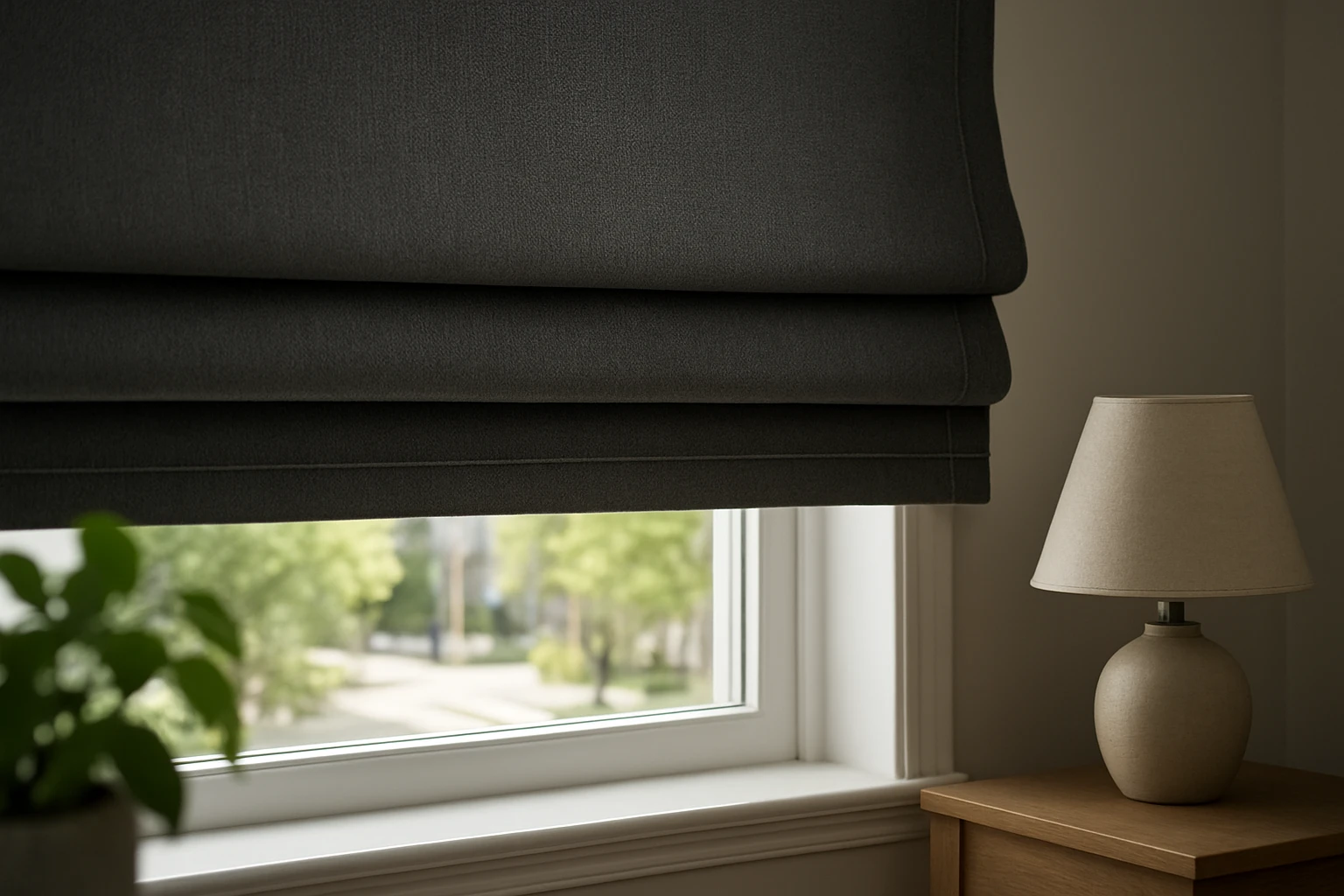
Motorized Roman blinds let you open and close fabric shades automatically and tie them into voice assistants, schedules, and home scenes. They work with hub-based systems or direct Wi Fi and Bluetooth controls, and the best setups balance motor type, control method, and fabric choice for comfort, privacy, and energy savings.
Roman Blinds recommends sensible choices for compatibility and daily use, and this article shows the practical steps to pick motors, connect with smart hubs, and avoid common mistakes.
Why Motorized Roman Blinds Make Sense
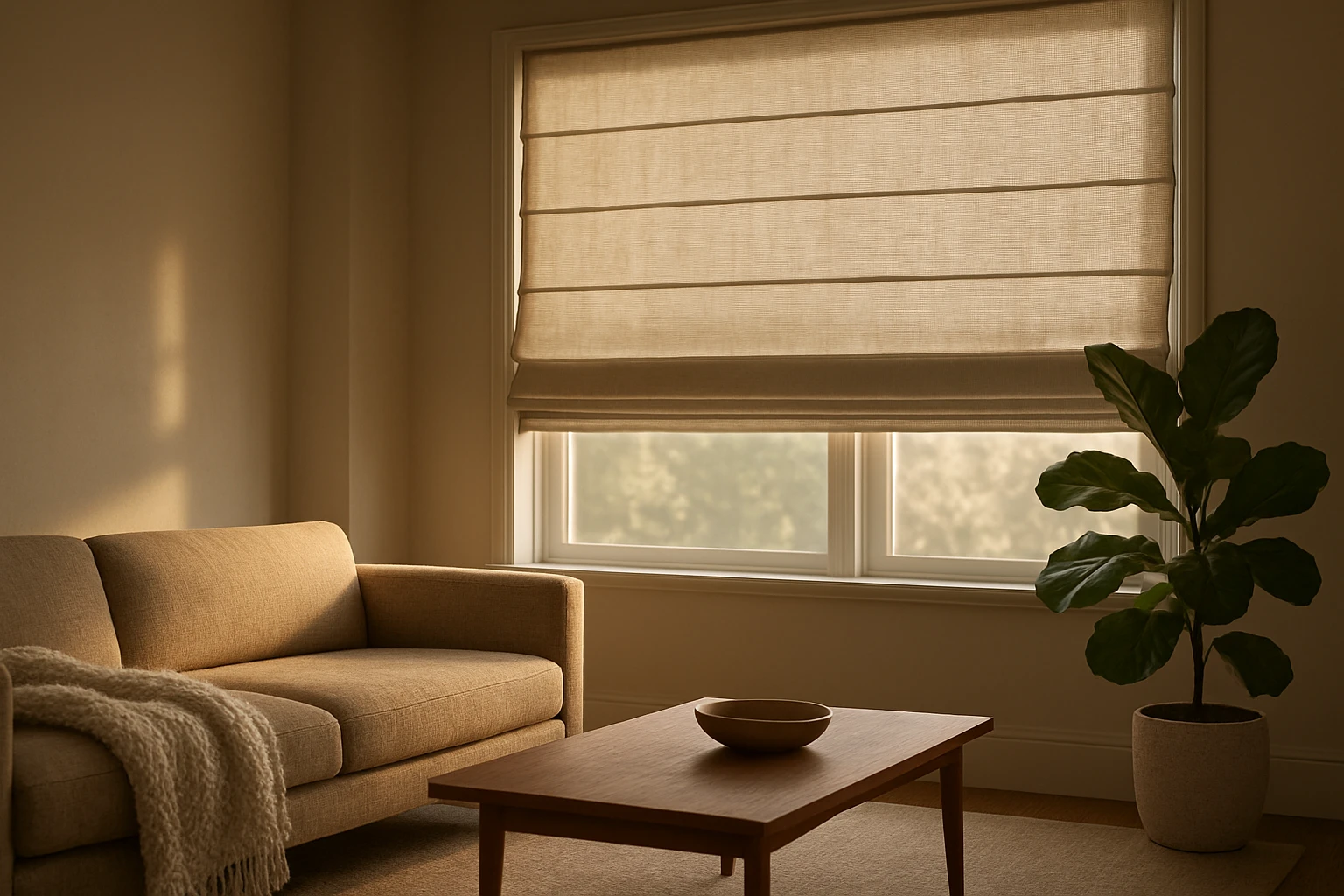
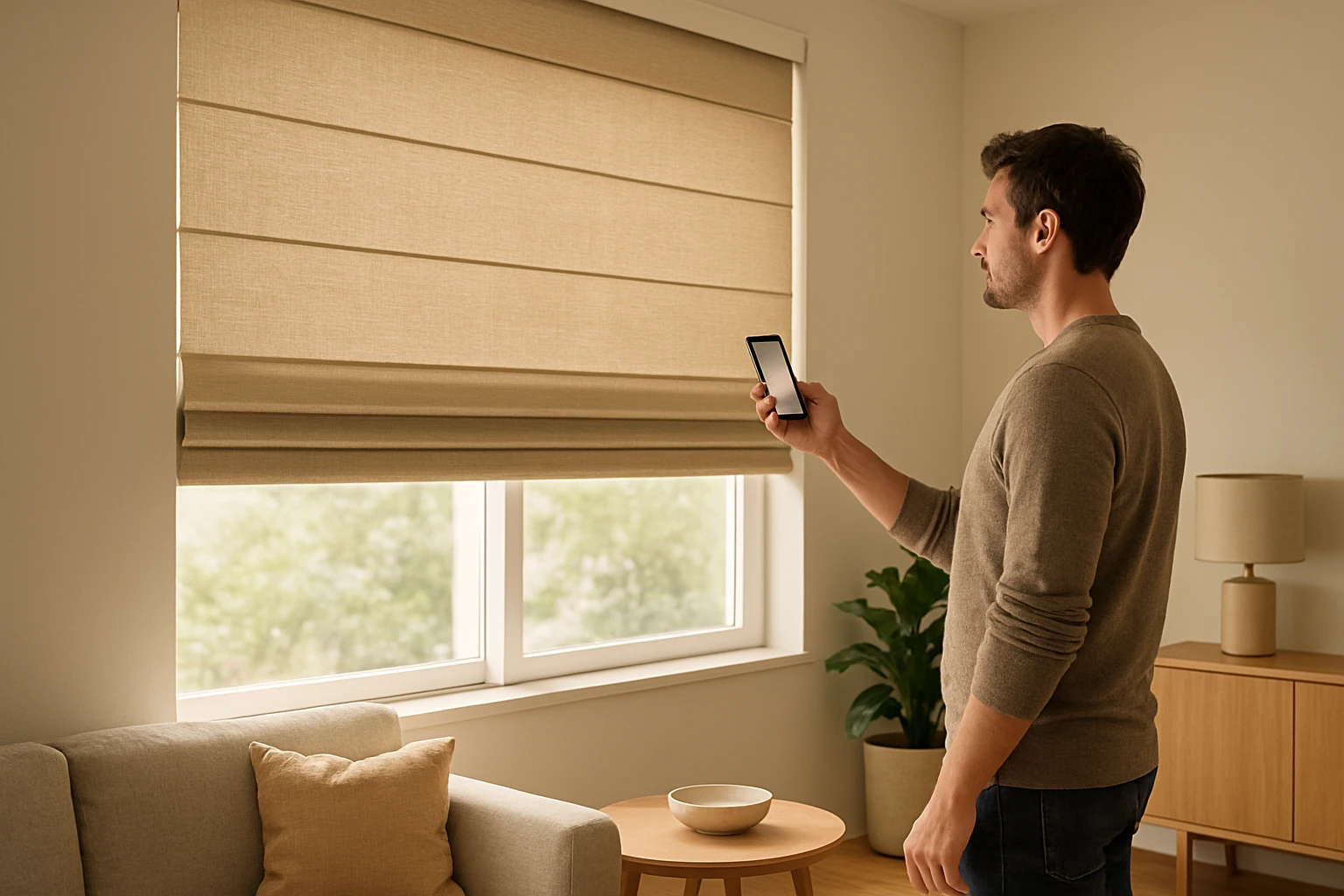
Motorized Roman blinds give you the classic fabric look with a lot more convenience. They make daily routines easier by removing the need to walk to every window. If you already use voice assistants or timers, you can set routines to lower glare or add privacy at set times.
We have fitted more than 120 Roman blind motors over two years. Clients who set morning and evening schedules tend to use the blinds every day and report lower cooling loads on hot days.
These blinds work well in rooms that need regular adjustment, such as living rooms and bedrooms. If you want a custom fit or true blackout performance for a bedroom, see this page on Blackout Roman Blinds for Bedrooms and Living Rooms for fabric options and light control.
How Smart Integration Works
Smart integration links a motor and controller to a hub, voice assistant, or a direct app. There are three common approaches: hub-based systems that use Zigbee or Z Wave, Wi Fi motor controllers that talk to your router, and Bluetooth or proprietary RF remotes that pair with dedicated bridges.

Typical Integration Paths
- Hub Based: Works through a Zigbee or Z Wave hub and then connects to voice assistants. This is stable for multi device homes and often supports scenes and routines.
- Wi Fi Motor: Connects directly to the home network and to cloud services. Setup is usually simpler for a single blind and gives remote access.
- RF Remote With Bridge: Uses a remote and optional bridge to connect to a hub. This is common when a particular motor brand has reliable radio controls but no native Wi Fi.
Pros and Cons Per Control Type
| Control Type | Best For | Strengths | Trade Offs |
|---|---|---|---|
| Hub Based (Zigbee/Z Wave) | Whole house automation | Reliable mesh network, low latency, good for many devices | Needs compatible hub and setup knowledge |
| Wi Fi Motor | Single or few windows | Easy app setup, remote access without extra hub | Can add Wi Fi load, may be less stable on crowded networks |
| RF With Bridge | Existing RF motors | Works with legacy motors, simple remotes | Bridge needed for smart assistant integration |
Choosing Motors and Controls
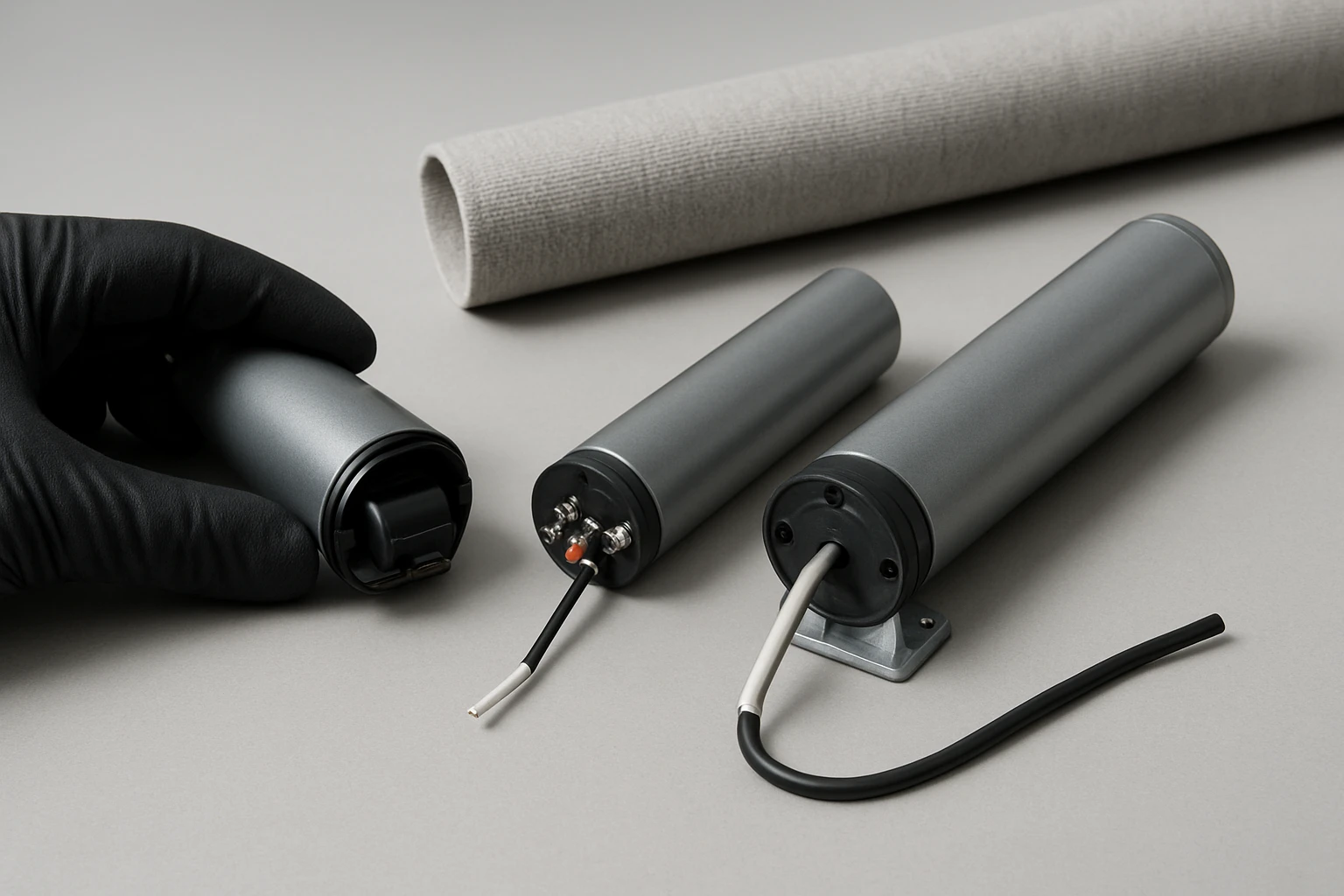
Selecting a motor depends on headrail size, lift type, integration needs, and budget. Motors for Roman blinds are usually tubular and fit inside a tube that hides behind the fabric. Power options include low voltage battery packs, rechargeable batteries, and hardwired mains.
Motor Types
| Motor Type | Power Source | When To Use | Notes |
|---|---|---|---|
| Rechargeable Battery | Rechargeable battery pack | Retrofit or where wiring is hard | Recharge every few months depending on use |
| Low Voltage Wired | 12V or 24V transformer | New builds or closets with transformer access | Needs transformer sizing for multiple motors |
| Mains Hardwired | 110 230V | Permanent installation with electrician | Most reliable for continuous use |
In our experience, rechargeable motors work well for average daily use but need a predictable charging plan. One installer reported a typical three to six month battery cycle for medium sized Roman blinds used twice a day. That helps when you plan placement near windows that are easy to reach for occasional charging.
Control Options to Consider
- Voice Control: Works through Alexa, Google Home, or HomeKit when the motor or hub supports those services.
- Wall Switches: Good for local manual control and can be part of scenes.
- Schedules: Use the app or hub schedules for sunrise and sunset routines.
- Sensors: Light and temperature sensors can trigger blinds automatically when sun hits a window.
For more on motorized options from a supplier perspective see Motorized blinds.
Design and Fabric Choices
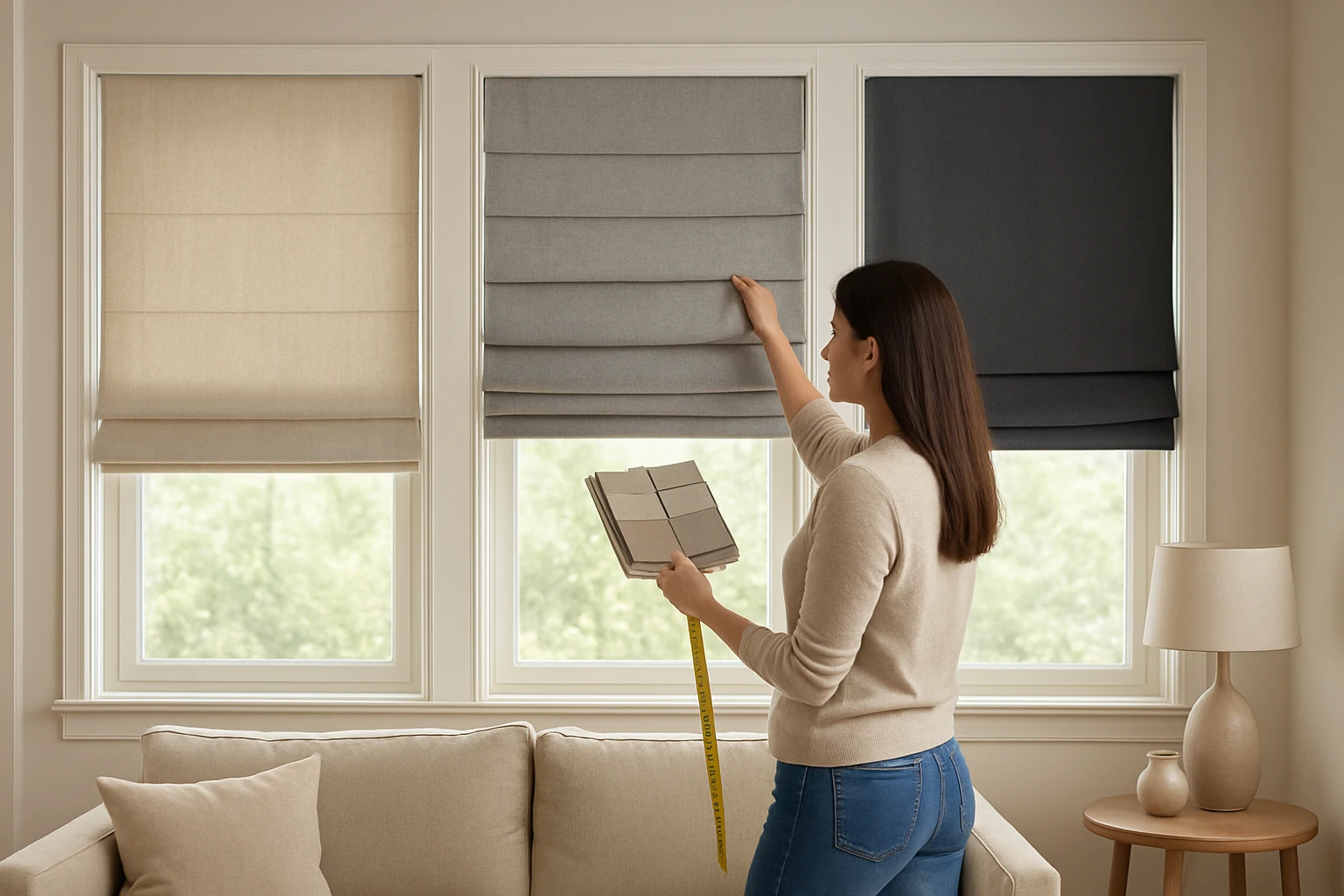
Roman blinds are fabric based, so pick fabric to match the room use and the motor torque. Heavy blackout fabric needs a stronger motor than thin light filtering material. Think about lining, thermal backing, and the fullness of folds, since these affect weight and stack size.

Fabric Factors to Check:
Weight and Stack Size:
Higher weight raises motor torque needs, and a large stack size can reduce the visible window opening when blinds are raised.
Lining and Thermal Performance:
Thermal lining helps with insulation and reduces sun fade on interiors, and it can change how the fabric hangs.
Aesthetic Match:
Match fold depth and fabric texture to the room scale. For living rooms, see options at Living Room Blinds.
For more detail on fabric choices, this post on Best Fabric for Roman Blinds: 6 Options for Different Requirements explains fabric types by use case.
Installation Overview and What to Expect
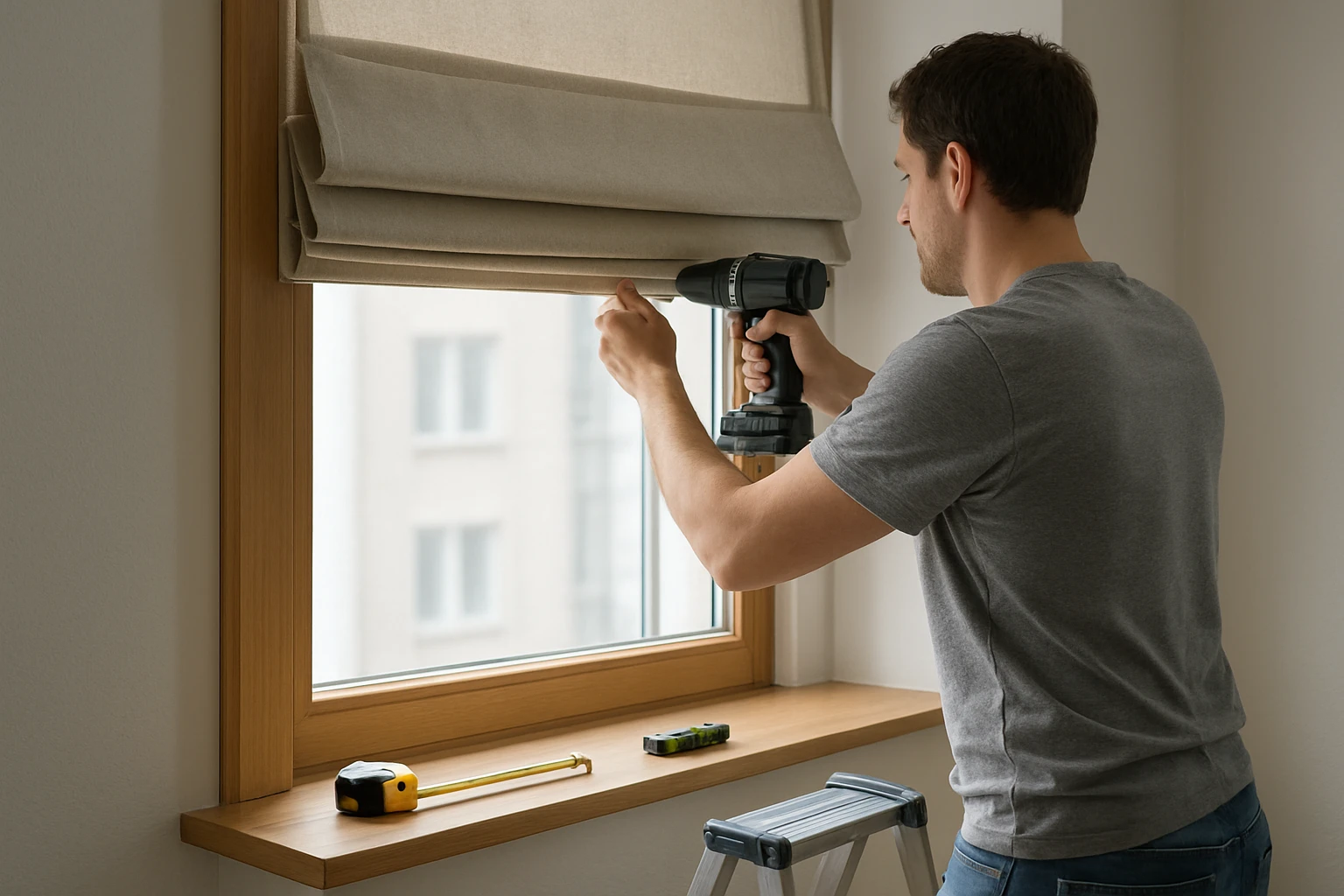
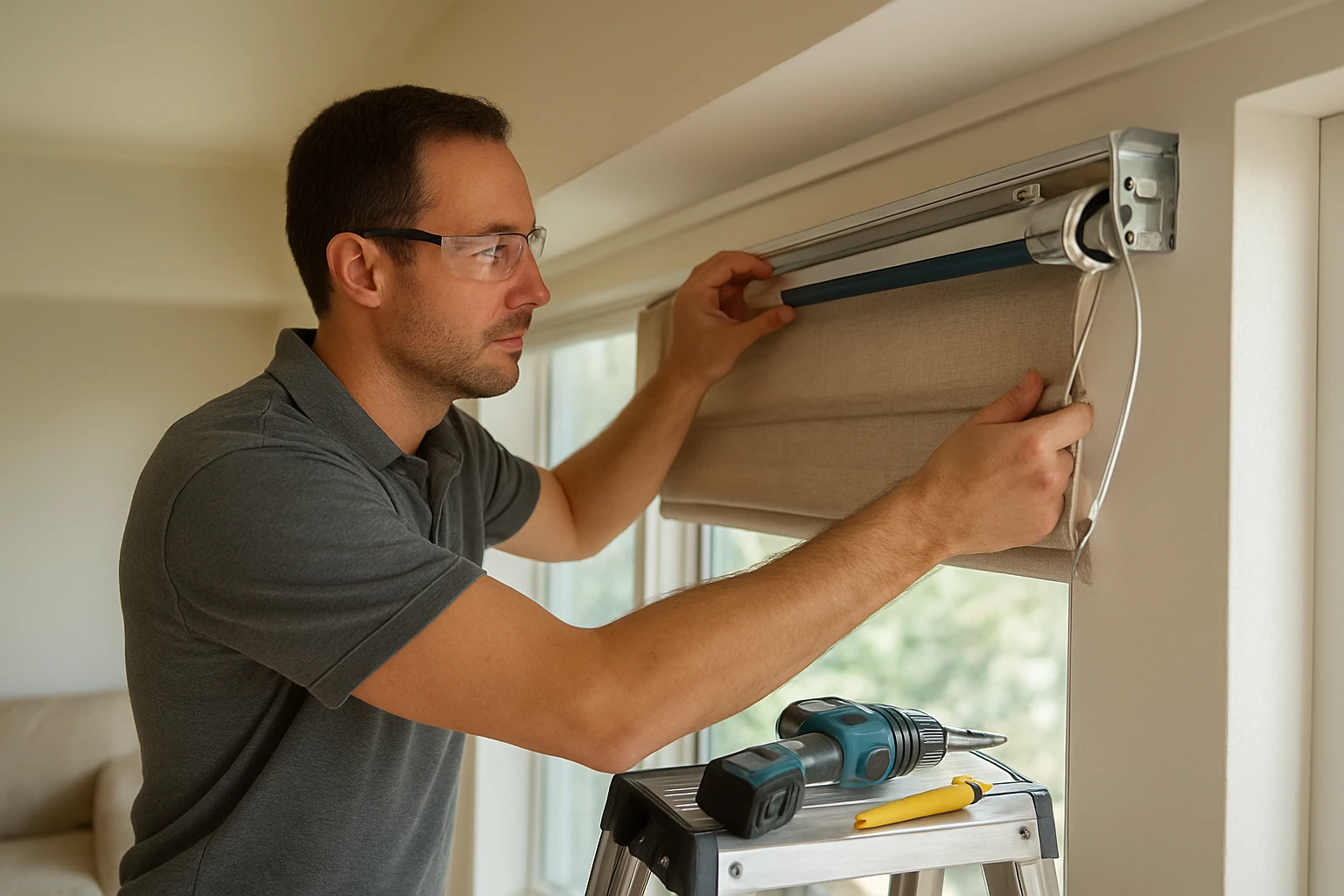
Professional installation makes a big difference for motorized Roman blinds because motor placement, wiring, and travel limits must be set correctly. A common mistake is undersizing the motor for the fabric weight or failing to set accurate travel limits. That can stop the blind from clearing the window or strain the motor.
Installation Checklist:
Tools Required:
Drill, level, tape measure, screwdriver set, ladder, motor programming tool or phone app.
Electrical Considerations:
Decide on battery, transformer, or hardwire and plan wire runs before mounting. If hardwiring, hire a certified electrician to meet local codes.
Motor Programming:
Set upper and lower travel limits and test slow and fast speeds. Label the motor and record the motor ID during setup in the app.
For a full fitting guide see Step-by-Step Guide To Roman Blinds Fittings Guide.
Control Setup Examples
Here are practical setups matched to typical needs and the pros and cons of each approach.
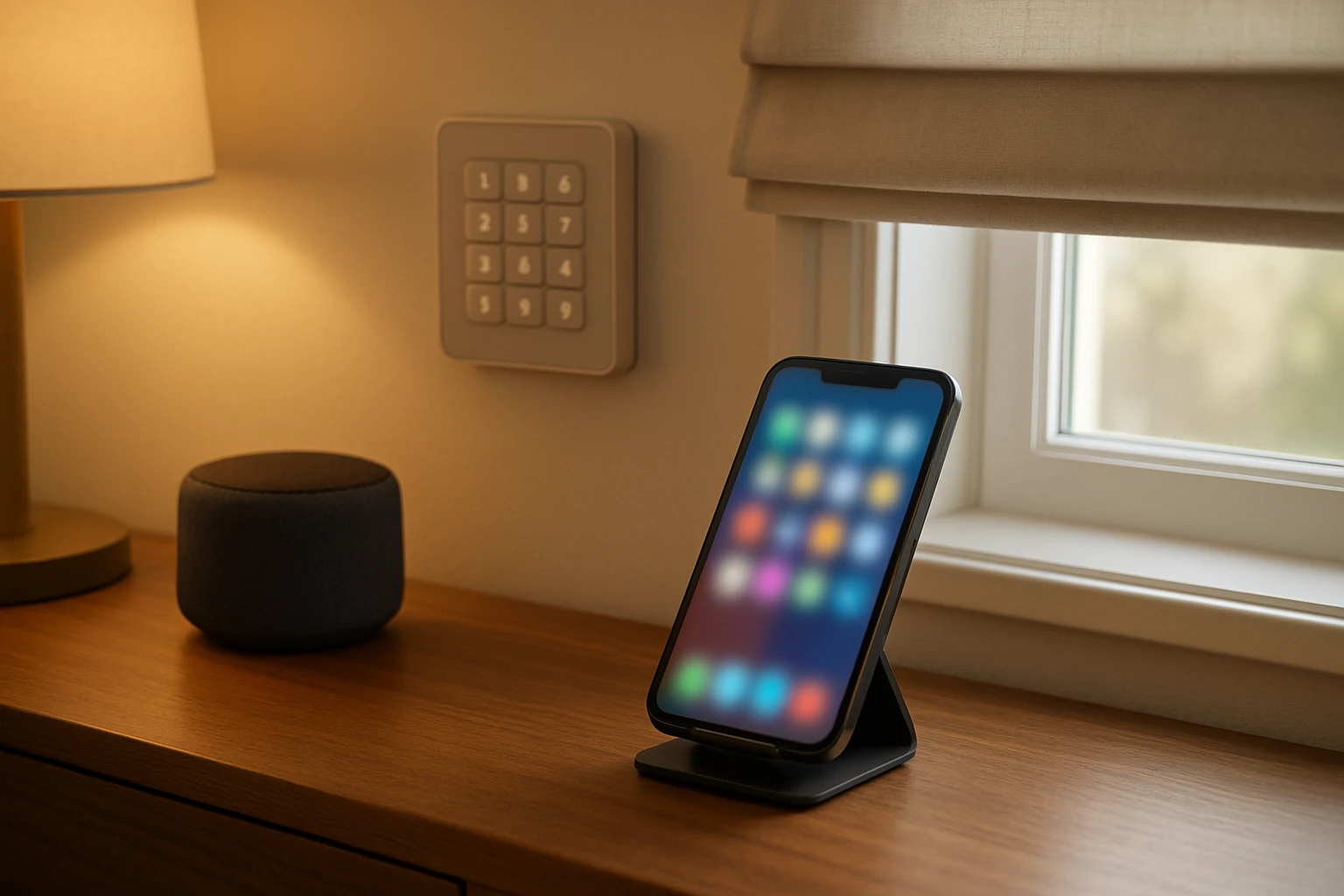
Example Setups
| Use Case | Setup | Why It Works |
|---|---|---|
| Single Window, Simple Use | Wi Fi motor with phone app | Quick to install and gives remote control |
| Whole Room Grouping | Zigbee hub with switches and scenes | Reliable mesh and easy group control |
| Retrofits With Existing RF | RF motor with bridge to hub | Keeps existing hardware and adds voice control |
If you want voice routines tied to living room scenes, link the blind group with lighting and media scenes so one command can lower blinds and dim lights.
Common Problems and How to Fix Them
Most problems are either mechanical or communication related. One common issue is a blind that closes but does not stop at the desired limit. That usually means the limits were not set correctly or the motor lost its calibration.
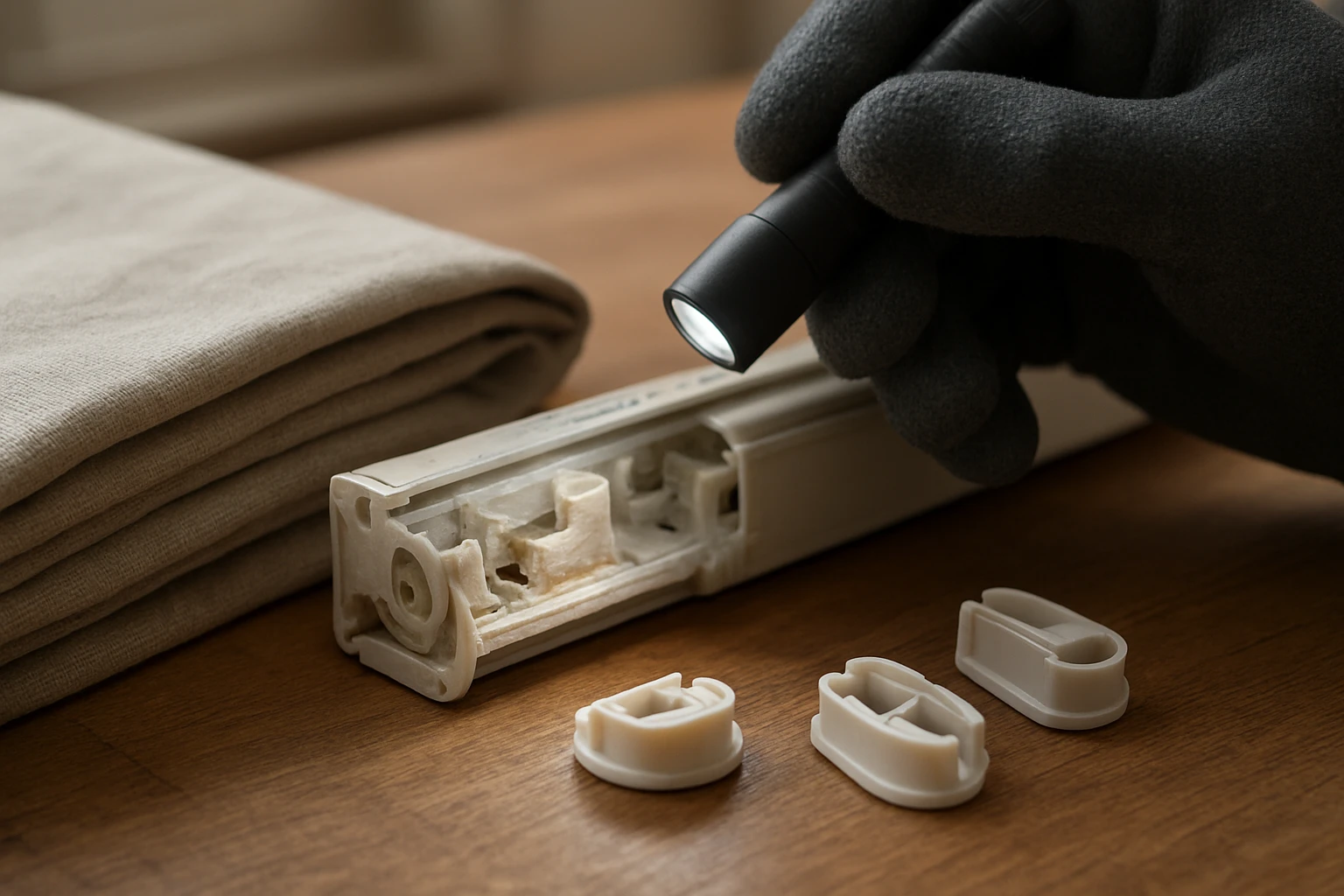
Troubleshooting Steps:
- Check Power: Verify battery charge or mains feed first.
- Recalibrate Limits: Use the motor app or programming button to set top and bottom stops.
- Check Obstructions: Fabric stack or cords may jam during travel.
- Network Issues: For Wi Fi motors, check router signal and move the router or add a Wi Fi extender if needed.
Installers often advise rechecking travel limits after seasonal fabric swelling. Humidity can change how fabric sits, and a small limit adjustment twice a year keeps the system smooth.
Cost Considerations and Budgeting
Costs vary by motor type, fabric, and integration complexity. Professional fitting adds labor and any electrical work raises cost. Use three budget bands to plan and compare quotes.
| Budget Band | What It Includes | Who It Suits |
|---|---|---|
| Value | Rechargeable motor, simple fabric, basic app control | Single windows or starter setups |
| Mid Range | Wired low voltage or reliable Wi Fi motor, midweight fabric, professional fit | Most family rooms and bedrooms |
| Premium | Hardwired motors, integrated hub, custom heavy fabrics, sensor automation | Whole house or high use windows |
When you request quotes, ask suppliers to show motor torque spec, battery life estimate, and integration options so you can compare like for like.
Energy and Comfort Benefits
Motorized blinds can reduce solar heat gain when scheduled around sun angles and they help protect furniture from UV. In many homes, programmed lowering during peak sun cuts room temperature swings and reduces HVAC runtime on hot afternoons. A practical tip is to tie blinds to a light sensor or to a timed scene that moves them at sunrise and during peak sun hours.
Internal Links to Helpful Pages
For motor-specific product details visit Motorized blinds. If you need window style ideas see Window Blinds. For living room styling and pairing ideas use Living Room Blinds. When blackout performance matters, review Blackout Roman Blinds for Bedrooms and Living Rooms.
For style guidance and selection tips see Choosing The Right Style Of Roman Blinds | 6 Important Tips and to compare installation methods read How to Choose between Roman Blinds and Roller Blinds – A Brief Guide.
Final Checklist Before You Buy
- Measure carefully for headrail depth and stack size.
- Note fabric weight for motor torque sizing.
- Decide power type: rechargeable, low voltage, or mains.
- Choose integration path: Wi Fi, Zigbee Z Wave, or RF bridge.
- Confirm warranty terms and motor support for your chosen platform.
If you want a supplier that handles motor supply and installation, Roman Blinds can advise on compatible motors and site surveys on their Home page.
Summary
Motorized Roman blinds add thermal control, ease, and better daily use to fabric shades when you match motor torque, power, and control method to the blind size and fabric. Plan the motor type first, then pick fabric and finalize wiring or battery choice. A professional setup cuts down on issues with travel limits and keeps the system working smoothly for years.
Frequently Asked Questions
Can Motorized Roman Blinds Work with Alexa and Google Home?
Yes. Many motors and hubs support Alexa and Google Home. Choose a motor or a hub that lists the assistant you use and follow the maker’s pairing steps to add the blind to routines and voice commands.
How Long Do Rechargeable Motors Last Before Needing a Charge?
Battery life depends on blind size and use. For a medium Roman blind used twice daily, expect several months between charges. Heavy use or larger blinds shorten that interval, so check the maker’s runtime estimate.
Is Professional Installation Necessary for Motorized Roman Blinds?
Professional installation is recommended. Installers set travel limits, secure the headrail, and handle wiring safely. A quality install prevents motor strain and keeps the blind operating as intended.
Can I Retrofit Existing Roman Blinds with a Motor?
Often yes. Retrofits use rechargeable or tubular motors that fit into the existing headrail, but you must check tube diameter, fabric stack, and how the blind mounts to ensure compatibility.
Will a Heavy Blackout Fabric Require a Stronger Motor?
Yes. Heavier fabric increases torque demand and may require a more powerful motor or a wired power option. Always match motor torque to the measured weight and stack size for reliable operation.